Calgary Dog Parks is a participant in the Amazon Associates Program. As an Amazon Associate, I earn from qualifying purchases at no extra cost to you. Your support helps keep this free resource running for Calgary's dog community.
Nose Hill Park isn't just another off-leash area. It's Canada's fourth-largest urban park, offering 11 square kilometers of raw prairie wilderness where your dog can experience true freedom. But here's what most Calgary dog owners don't know: choosing the wrong entrance means a frustrating 15-minute walk on-leash through paved trails before reaching the off-leash zone. Choose the right entrance, and you're in the multi-use zone within 30 seconds of parking.
This comprehensive guide reveals the insider knowledge that separates frustrated first-timers from confident regulars. You'll discover which two entrances provide immediate off-leash access, how to keep your dog safe from the park's resident porcupines and coyotes (and avoid $500-1,500 vet bills), and which trails match your dog's energy level and experience. Whether you're training a puppy or exercising a high-energy working breed, Nose Hill offers routes that deliver exactly what you need.
Beyond the basics, you'll learn the local secrets: the hidden rainwater pond where dogs love to cool off, why the John Laurie parking lot requires extra security precautions, the best sunrise photography spots with your dog, and which seasonal conditions demand specific gear. This isn't generic park information. This is the practical, dog-focused intelligence that protects your pet, maximizes your visit, and helps you understand why Nose Hill Park has become Calgary's premier destination for serious dog owners.
Quick Start Essentials
These three items address Nose Hill's biggest challenges: visibility in tall grass, wildlife deterrence, and remote water access
Affiliate Disclosure: This article contains affiliate links to Amazon. As an Amazon Associate, I earn from qualifying purchases at no additional cost to you. Any price and availability information displayed on Amazon at the time of purchase will apply to the purchase of this product. This helps support the site and allows me to continue bringing you Calgary dog park content. All recommendations are based solely on the needs for Nose Hill Park.
Complete Guide Navigation
Essential Park Details
Location & Address
Main Address: 6445 Shaganappi Trail NW, Calgary, AB T3B 4Y1
Official Designation: Nose Hill Park (multi-use area includes off-leash zones)
Google Maps: Click for directions
Size & Type
Total Park Size: 11 square kilometers (1,127 hectares / 2,784 acres)
Ranking: Canada's fourth-largest urban park
Park Type: Natural environment park with multi-use designation
Off-Leash Status: Designated multi-use area (off-leash permitted with voice control) and on-leash paved trails
Key Features
- 11 km of unpaved trails through native prairie grassland
- 19 km of paved pathways (on-leash only)
- 360-degree views of Calgary skyline and Rocky Mountains
- Native wildlife habitat (coyotes, porcupines, deer, hawks)
- Seasonal rainwater pond (May-July typically)
- Multiple access points with varying parking options
- No water sources or facilities within park
Access & Hours
Hours: 5:00 AM to 11:00 PM daily (year-round)
Best Times to Visit: Weekday mornings (fewer dogs), early morning for wildlife viewing, golden hour for photography
Busiest Times: Weekend mornings (8 AM-12 PM), weekday evenings (5 PM-7 PM)
Critical Information
- No water sources: Bring sufficient water for entire visit (1 liter per hour recommended)
- No washrooms: Use facilities before arriving at park
- No shade: Minimal tree cover, prairie exposure means hot summer conditions
- Wildlife present: Porcupines and coyotes are residents, not visitors
- Voice control mandatory: Dogs must respond reliably to recall commands
- Weather exposure: Wind, sun, and temperature extremes more pronounced than valley parks
Which Entrance Should You Use? (Critical Decision)
The Critical Difference
This is the most important decision you'll make about Nose Hill Park.
Choose the wrong entrance and you'll walk 10-15 minutes on-leash through paved trails before reaching the multi-use area where dogs can go off-leash. Choose the right entrance and you're in the off-leash zone within 30 seconds of parking. This section reveals which entrances provide immediate access and which force extended on-leash walks.
BEST: Immediate Off-Leash Access Entrances
1. Edgemont Boulevard Entrance (RECOMMENDED FOR FIRST-TIMERS)
Location: Edgemont Boulevard NW & Berkshire Boulevard NW intersection
Parking: Residential street parking along Edgemont Boulevard (approximately 20-30 spaces)
Distance to Off-Leash: Immediate (0-30 seconds from parking)
Trail Type: Unpaved prairie trails entering directly into multi-use area
Best For: First-time visitors, dogs who pull on leash, quick visits (30-45 minutes), hot weather (immediate off-leash means less on-leash stress in heat)
What to Expect: Small gravel trailhead, minimal signage, direct access to rolling prairie hills. You'll see other dog owners parking here and heading straight onto trails. Popular with regulars for this exact reason.
2. 14th Street Entrance (North Access)
Location: 14th Street NW & Berkley Gate NW
Parking: Residential street parking (10-15 spaces)
Distance to Off-Leash: Immediate (within 1 minute from parking)
Trail Type: Unpaved trails through aspen grove, then prairie
Best For: Dogs who need shade initially (aspen grove provides cover), cooler microclimate on hot days, photography (beautiful aspen section)
What to Expect: Quieter entrance with fewer users. Nice tree-covered approach before opening to prairie. Good option if Edgemont parking is full.
GOOD: Short Walk to Off-Leash (5-7 minutes)
3. John Laurie Boulevard Entrance (Largest Parking)
Location: John Laurie Boulevard NW (south side of park)
Parking: Large gravel parking lot (50+ spaces), often has availability when other entrances are full
Distance to Off-Leash: 5-7 minute walk on paved pathway, then transition to unpaved trails
Trail Type: Paved pathway (on-leash required) transitioning to unpaved multi-use area
Best For: Busy weekends when other parking is full, visitors who need guaranteed parking, groups meeting up (central location)
What to Expect: Most developed entrance with interpretive signage and clear trail markers. Paved pathway is wide and well-maintained. Popular with casual visitors and families.
⚠️ Security Note: This parking lot has experienced vehicle break-ins. Don't leave valuables visible in your vehicle. Use the trunk for bags and equipment.
AVOID: Long On-Leash Walks (10-15+ minutes)
Shaganappi Trail Entrance
Location: Shaganappi Trail NW (east side)
Why to Avoid: 10-15 minute walk on paved pathway before reaching multi-use area. Frustrating for dogs who expect immediate off-leash access.
Only Use If: You specifically want a longer on-leash walk before off-leash time, or if you're training leash walking skills.
Brisebois Drive Entrance
Location: Brisebois Drive NW (west side)
Why to Avoid: Similar issue — extended paved pathway section before reaching unpaved trails. Limited parking in residential area.
Quick Entrance Decision Chart
You should use Edgemont Boulevard entrance if you want:
- Immediate off-leash access
- Shortest walk from car to prairie
- Most efficient use of visit time
- Less stress on dogs who pull when leashed
You should use John Laurie entrance if you need:
- Guaranteed parking availability
- Well-marked trails and signage
- Paved pathway approach
- Meeting point for groups
Map & Directions
Interactive Google Map
Official Trail Maps & Resources
Download these maps before your visit for offline navigation:
Calgary.ca Official Map
Shows multi-use zone boundaries, parking lots, and paved trails
View Official MapTrailforks Interactive Map
Mountain bike trail map with 260+ routes and user-generated content
Open TrailforksPro Navigation Tips
- Download the FONHS PDF map to your phone before arrival (cell service can be spotty in the park interior)
- Take a screenshot of your parking lot location when you arrive (trails create a maze-like network)
- Use the downtown Calgary skyline as a reference point (visible from most elevated areas)
- In winter, follow existing tracks when trails are snow-covered
- The park is crisscrossed with informal trails, so getting temporarily "lost" is part of the adventure
Understanding Off-Leash vs On-Leash Zones
Nose Hill Park has a unique zoning system that confuses many first-time visitors. Understanding these zones is critical for following Calgary bylaws and ensuring your dog's safety.
Critical Distinction
Nose Hill is NOT a fully-designated off-leash dog park like Sue Higgins or Southland.
It's a multi-use natural area where off-leash activity is permitted in specific zones. You share the space with hikers, runners, cyclists, bird watchers, and photographers who have equal right to use the park. Your dog must be under control at all times and cannot interfere with other park users' enjoyment.
Bylaw Enforcement Note
Calgary Bylaw Services regularly patrols Nose Hill Park. Fines for off-leash violations on paved pathways start at $250. Fines for dogs not under effective voice control in multi-use areas can reach $500+. Officers have no tolerance for dogs harassing wildlife or other park users.
Keeping Your Dog Safe at Nose Hill Park
Nose Hill Park's prairie wilderness offers incredible freedom for dogs, but it also presents hazards not found in urban dog parks. The three most serious threats are porcupines, coyotes, and the consequences of inadequate voice control. Understanding and preparing for these risks is essential for safe visits.
Porcupine Encounters: The Most Common Nose Hill Emergency
Real Costs: Porcupine quill removal requires veterinary sedation and costs $500-1,500 depending on quill count and location. Multiple Calgary veterinary clinics near Nose Hill report treating quilled dogs weekly during peak season.
When Porcupine Risk Is Highest
- April-October: Active season when porcupines forage most frequently
- Evening Hours: Porcupines are crepuscular (most active dawn/dusk)
- Wooded Coulee Areas: Aspen groves provide shelter and food sources
- After Rainfall: Porcupines emerge to feed on wet vegetation
- Along Park Edges: Residential interface areas where porcupines den in trees
Prevention Strategies That Work
- Avoid wooded coulee areas during dawn (before 8 AM) and dusk (after 7 PM) when porcupines are most active
- Keep your dog within sight lines in aspen groves and densely vegetated areas
- Train a solid recall command so you can call your dog away before close investigation
- Learn to recognize porcupine habitat: Look for stripped bark on trees and distinctive waddle-walking gait
- Carry a high-powered headlamp for evening visits to spot eye shine before your dog does
- Watch for warning signs: Your dog freezing, intense interest in a specific area, or unusual sniffing behavior
- Immediately recall your dog if they show fixation on a dark, rounded shape (porcupines often appear as dark lumps)
What to Do If Your Dog Gets Quilled
- Do not attempt to remove quills yourself (they have barbs that cause more damage when pulled incorrectly)
- Prevent your dog from pawing at their face which can drive quills deeper or break them off
- Immediately head to an emergency veterinary clinic (see Nearby Amenities section for closest locations)
- Call ahead so the clinic can prepare for sedation and quill removal
- Keep your dog calm during transport to prevent quill migration
- Do not give food or water if sedation will be required (ask the vet)
Emergency Vet Contacts:
Calgary North Veterinary Hospital (closest to Nose Hill): 403-276-8387
Western Veterinary Specialist & Emergency Centre: 403-770-1340
Essential Porcupine Safety Gear

Protective Basket Muzzle
Prevents close-range sniffing of porcupines during dawn/dusk walks in high-risk coulee areas. Allows panting and drinking while protecting nose and mouth from quills.
Check Price on Amazon
Emergency Recall Whistle
Essential for calling your dog back before they investigate suspicious movement in wooded areas. Carries further than voice commands across Nose Hill's open prairie.
Check Price on Amazon
Paw Inspection Light
LED flashlight with red light mode for spotting porcupine eye shine at dusk without night vision disruption. Check paws for embedded quills after every walk.
Check Price on Amazon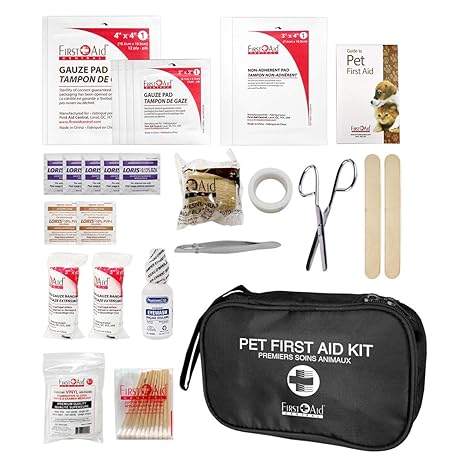
Dog First Aid Kit
Must-carry item for Nose Hill visits. Includes items for immediate wound care if quilling occurs, plus supplies for other prairie hazards like cuts from sharp grass or rocks.
Check Price on AmazonCoyote Awareness: Documented Attacks at Nose Hill
Unlike many urban parks where coyote sightings are rare, Nose Hill Park supports a permanent, year-round coyote population. Multiple documented attacks on dogs have occurred, including a 2019 incident where coyotes seriously injured a 55-pound dog. Coyotes at Nose Hill are habituated to humans and show less fear than their wilderness counterparts.
When Coyote Risk Is Highest
- Denning Season (April-July): Parents protecting pups become aggressive toward perceived threats
- Dawn & Dusk: Peak coyote hunting hours when they're most active
- Winter Months: Food scarcity makes coyotes bolder and more likely to approach dogs
- Small Dog Risk: Dogs under 30 pounds are most vulnerable to predation attempts
- After Snowfall: Fresh tracking conditions make prey easier to hunt
How to Avoid Coyote Encounters
- Keep your dog within 10 meters in areas with low visibility (coulees, tall grass)
- Avoid dawn and dusk visits during April-July denning season
- Make noise when approaching blind corners or cresting hills (coyotes generally avoid noisy groups)
- Never let your dog chase wildlife (rabbits, ground squirrels) as this can trigger coyote territorial response
- Keep small dogs on-leash during denning season regardless of zone
- Travel in groups when possible (coyotes rarely approach groups of 3+ people with dogs)
- Stay alert in drainage areas where coyotes hunt for rodents and rabbits
- Watch your dog's body language (intense staring, raised hackles, or sudden stillness can indicate nearby predator)
What to Do During a Coyote Encounter
Follow these steps in order if you see a coyote:
- Immediately call your dog to heel and leash them if they're off-leash
- Pick up small dogs (under 30 pounds) to prevent them becoming targets
- Do not run (triggers chase instinct) or turn your back on the coyote
- Make yourself large (raise arms, open jacket) and maintain eye contact
- Back away slowly while facing the coyote
- If the coyote approaches: Yell aggressively, throw rocks or sticks near (not at) it, use air horn or whistle
- Continue hazing until the coyote leaves the area completely
- Report the encounter to 311 (City of Calgary) if the coyote showed aggressive behavior
Essential Coyote Deterrence Gear
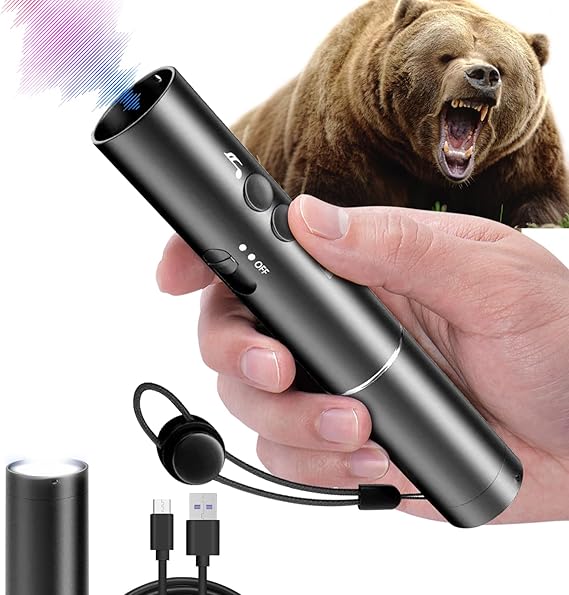
Air Horn Wildlife Deterrent
The most effective coyote deterrent. Extremely loud noise causes immediate retreat in most encounters. Compact size clips to belt or backpack for instant access during Nose Hill visits.
Check Price on Amazon
Emergency Safety Whistle
Backup deterrent that works without batteries. Piercing sound carries across open prairie and can alert other park users to situation. Essential for dawn/dusk Nose Hill visits.
Check Price on Amazon
High-Visibility Dog Vest
Makes your dog more visible to you and less appealing to coyotes (unnatural bright colors). Critical during low-light conditions when coyotes are most active.
Check Price on Amazon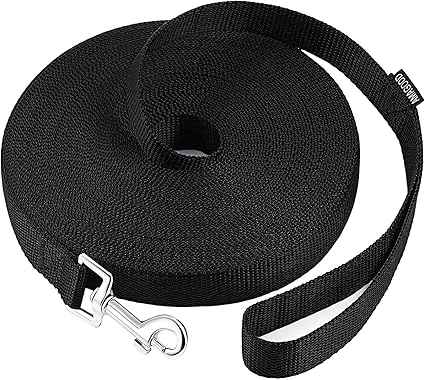
Long-Line Training Leash (30ft)
Compromise solution during denning season. Gives your dog freedom to explore while maintaining physical connection. Instantly pull dog back if coyote appears.
Check Price on AmazonVoice Control Requirements: What It Really Means
Calgary's off-leash bylaw requires dogs to be under "effective voice control" in multi-use zones. Many dog owners misunderstand what this means legally and practically. Here's the specific standard you must meet at Nose Hill Park.
If Your Dog Isn't Ready for Full Off-Leash Freedom
Many dogs (puppies, newly adopted dogs, high prey drive breeds, dogs in training) aren't ready for the level of freedom Nose Hill offers. This doesn't mean you can't visit. Here's the responsible alternative:
- Use a long-line training leash (15-30 feet) that gives your dog exploration freedom while maintaining physical control
- Practice recalls in lower-distraction environments before graduating to Nose Hill's wildlife-rich prairie
- Visit during off-peak hours (weekday mornings) when fewer distractions are present
- Stay in the open prairie sections away from wooded areas where wildlife encounters are more likely
- Work with a professional trainer on recall commands before attempting off-leash privileges
Essential Training Gear
Long-Line Training Leash
30-foot lead gives your dog exploration freedom while you maintain control. Perfect for practicing recalls at Nose Hill before full off-leash privileges. Lightweight design prevents tangling in prairie grass.
Check Price on Amazon
Training Treat Pouch
Instant reward delivery is critical for recall training. Belt-mounted pouch keeps high-value treats accessible during Nose Hill training sessions. Includes clip for waste bags and whistle.
Check Price on Amazon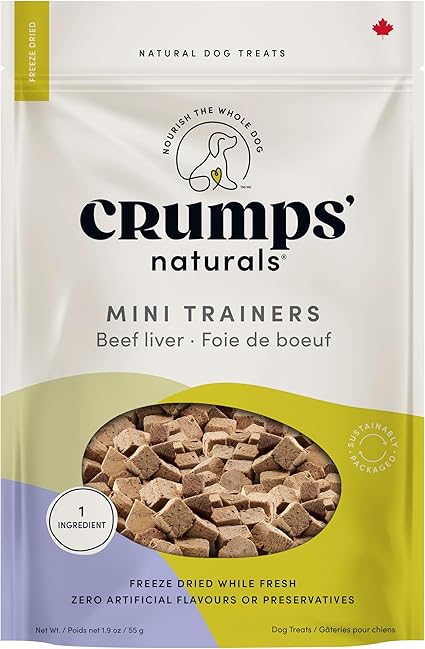
High-Value Training Treats
For recall training at Nose Hill, you need treats more exciting than rabbits and ground squirrels. Freeze-dried liver and meat-based treats work when standard kibble won't compete with distractions.
Check Price on Amazon
Dog Training Whistle
Consistent sound carries further than voice across open prairie. Train whistle recall before Nose Hill visits. Prairie wind and distance make voice commands unreliable beyond 50 meters.
Check Price on AmazonOther Safety Considerations
Tick Prevention
Nose Hill's prairie grassland is prime tick habitat. Check your dog thoroughly after every visit, especially around ears, neck, armpits, and between toes. Peak season is April-September. Carry a tick removal tool and know how to use it properly.
Summer Heat Exposure
Nose Hill has minimal shade. On hot days, the exposed prairie becomes dangerously hot. Visit before 9 AM or after 7 PM in summer. Bring twice as much water as you think necessary. Watch for heat exhaustion signs: excessive panting, drooling, lethargy.
Winter Ice Melt Burns
Calgary uses ice melt chemicals on parking lot access roads that burn dog paws. Rinse paws immediately after winter visits or use protective boots. Apply paw balm before and after walks. Check between toes for ice balls that form in furry paws.
Steep Escarpments
The park's edges feature steep embankments and escarpment edges. Dogs chasing wildlife can go over edges unexpectedly. Keep dogs on-leash near visible drop-offs. The northeast and western edges are particularly hazardous.
Lost Dog Protocol
The 300+ km trail network makes it easy for dogs to become disoriented. Ensure your dog wears current Calgary license tag and ID tag with phone number. Consider GPS collar for high-risk dogs. If lost, immediately contact Calgary Animal Services: 311.
No Water Sources
There are absolutely no water fountains, taps, or natural water sources in Nose Hill Park. Bring minimum 1 liter of water per dog per hour of activity. Dehydration happens quickly in the exposed prairie environment, especially in summer and when dogs are running.
Best Trails for Different Dogs
Nose Hill's 300+ kilometers of informal trails can overwhelm first-time visitors. This guide categorizes routes by your dog's experience level, energy, and physical condition. Each recommendation includes specific parking locations, distance, difficulty, and why it works for that dog type. Remember: all trails except the paved multi-use path allow off-leash access once you're in the multi-use zone.
Beginner Dogs & Puppies
New to off-leash parks? Recently adopted? Training recall? These short, easily navigable routes let you stay close to your vehicle while building confidence. The flat terrain and clear sightlines help you maintain visual contact, and the immediate off-leash access from specific parking lots means minimal leash frustration.
Edgemont Access Loop
Distance: 2 km round trip
Time: 30-45 minutes
Difficulty: Easy (flat, wide paths)
Parking: Edgemont Boulevard entrance
Off-Leash Access: Immediate (30 seconds from car)
Why Perfect for Beginners: This is the shortest path to the off-leash multi-use zone with the quickest return to safety. The loop stays within sight of the parking area, making it ideal for puppies who tire quickly or newly adopted dogs still learning recall commands.
What Dogs Love: Immediate freedom without long leash walks. Plenty of other friendly dogs for socialization. Short enough that anxious owners can relax.
Best For: Puppies 4-8 months, newly adopted dogs, dogs recovering from injury, owners new to off-leash parks
Multi-Use Paved Trail
Distance: 3.2 km (one way, can turn around anytime)
Time: 45-60 minutes round trip
Difficulty: Easy (paved, accessible)
Parking: 14th Street NW or Brentwood entrance
Off-Leash Access: ON-LEASH ONLY on paved sections
Why Good for Training: This 14-foot-wide paved path requires dogs to remain on-leash, making it excellent for practicing leash manners in a distracting environment. You'll encounter cyclists, runners, other leashed dogs, and ground squirrels (major distraction test).
Best For: Leash training, reactive dogs, senior dogs needing smooth surfaces, rainy day visits
Energetic & High-Energy Dogs
Got a working breed that needs serious exercise? A young dog with endless energy? These longer routes provide the distance and terrain variety that tire out even the most athletic dogs. Expect elevation changes, longer distances from parking, and the possibility of getting genuinely lost if you don't pay attention to landmarks.
Many Owls Valley Loop
Distance: 6.8 km loop
Time: 1.5-2 hours
Difficulty: Moderate (elevation gain, longer distance)
Parking: John Laurie Boulevard or Brisebois Drive
Off-Leash Access: 10-minute leash walk required from parking
Why Dogs Love This Route: This is Nose Hill's signature adventure trail. The route descends into a glacially carved valley with significantly more vegetation than the exposed plateau. During spring and after heavy rain, a hidden seasonal pond forms at the valley bottom where water-loving dogs go absolutely wild.
Hidden Feature: The seasonal rainwater pond typically appears April-June and after significant rainfall. It's located in the valley bottom approximately 2.5 km from John Laurie parking.
Best For: Border Collies, Australian Shepherds, Huskies, German Shepherds, Vizslas, and other high-drive breeds. Dogs who need 60+ minutes of hard exercise.
⚠️ Warning: This trail takes you far from parking. Ensure your dog has excellent recall before attempting. Bring extra water as there are no reliable water sources.
Plateau Circuit
Distance: 5 km loop
Time: 1-1.5 hours
Difficulty: Moderate (exposed, prairie terrain)
Parking: Edgemont Boulevard (best option)
Off-Leash Access: Immediate
The Classic Nose Hill Experience: This route stays on the elevated prairie plateau, providing the quintessential Nose Hill environment. Endless grassland, 360-degree views of Calgary and the Rocky Mountains, and that unique sense of being in wilderness despite being surrounded by city.
Best For: Dogs who love to run. Confident navigators. Dogs who don't overheat quickly. Owners who want the full prairie wilderness experience.
Senior Dogs & Hot Weather Routes
Nose Hill's exposure makes it challenging for senior dogs and summer heat. These routes provide the shortest access to shade, easiest terrain for aging joints, and quickest escapes when dogs tire. Summer visits should be before 9 AM or after 7 PM only.
Shaded Coulee Trail
Distance: 1.5 km out-and-back
Time: 30 minutes
Difficulty: Easy (minimal elevation)
Parking: 14th Street NW entrance
Why Perfect for Seniors: This is the ONLY route at Nose Hill with significant tree cover. The aspen grove provides shade during hot months and wind protection in cooler weather. The short distance means easy return if your dog tires.
Best For: Senior dogs with arthritis, hot summer days, dogs recovering from surgery, brachycephalic breeds
Critical Summer Safety Information
- Visit only before 9 AM or after 7 PM during June-August
- Pavement test: If you can't hold your hand on the pavement for 7 seconds, it's too hot for paws
- Warning signs: Excessive panting, drooling, stumbling, or refusing to walk means immediate return to car and cooling
- Water requirements: Bring 1 liter per 10 kg of dog weight, plus extra for yourself
Recommended gear for summer senior dog visits:
Seasonal Visiting Guide
Nose Hill transforms dramatically with Alberta's seasons, and each brings unique opportunities and challenges for dog owners. The exposed prairie environment means weather impacts your visit more than at sheltered urban parks.
Spring (April - May)
Best For: Wildflower viewing, moderate temperatures, seeing baby wildlife
- Prairie Crocus Bloom: Late March to early April, Alberta's provincial flower carpets south-facing slopes
- Temperature Range: 5-15°C (41-59°F), highly variable day to day
- Trail Conditions: Muddy, especially in coulees. Trails can be impassable after rain
- Wildlife Activity: HIGHEST COYOTE DANGER (denning season April-June). Avoid dawn and dusk visits
- Bonus: Hidden rainwater pond often forms in Many Owls Valley
Essential Spring Gear:
Summer (June - August)
Best For: Early morning and evening visits, long daylight hours
- Temperature Range: 20-28°C (68-82°F), but exposed prairie feels 5-10°C hotter
- HEAT WARNING: Ground temperatures can reach 45°C. Paw pad burns common. Visit before 9 AM or after 7 PM ONLY
- Trail Conditions: Dry, dusty, hard-packed. Excellent traction but NO SHADE
- Tick Season: Peak tick activity. Check dog thoroughly after every visit
Critical Summer Safety Gear:
Fall (September - October)
Best For: Comfortable temperatures, stunning photography, least crowded season
- Temperature Range: 10-18°C (50-64°F), perfect for dogs and humans
- Why Peak Season: No heat stress, no extreme cold. Grasslands turn golden. Clearest Rocky Mountain views
- Trail Conditions: Dry, firm, excellent. Best traction of any season
- Photography Gold: Golden grass + blue sky + snow-capped Rockies = spectacular
- Goat Grazing: City brings 300+ goats for vegetation management. Dogs must be leashed near goats
Fall Comfort Gear:
Winter (November - March)
Best For: Cross-country skiing, snowshoeing, solitude, dramatic winter landscapes
- Temperature Range: -20°C to -5°C, but wind chill makes it feel 10-15°C colder
- Wind Factor: BRUTAL. Zero wind protection. -10°C with 30 km/h wind = -20°C wind chill
- Ice Melt Danger: Calgary uses chemicals that BURN paws. Boots are mandatory, not optional
- Coyote Risk: HIGHEST for small dogs. Desperate for food, bolder in winter
- Frostbite: Can occur on ears and paws in under 30 minutes at -20°C
Essential Winter Protection:
Activities & Experiences Beyond Basic Dog Walking
Nose Hill offers more than just off-leash exercise. The park's unique prairie ecosystem, elevated viewpoints, and diverse terrain create opportunities for enrichment activities that go beyond standard dog walking.
Photography with Your Dog
Best Locations: Rubbing Stone Hill summit (360° Rocky Mountain views), North Plateau edge (city skyline + dog silhouettes), Many Owls Valley (golden hour prairie grass).
Optimal Times: Sunrise (6-8 AM in summer, 8-9 AM in fall) for soft light and minimal crowds. Golden hour (1 hour before sunset) for dramatic lighting on prairie grass.
Pro Tips: Bring high-value treats to maintain focus. Use elevated terrain for heroic silhouette shots. Fall offers best color contrast (golden grass + blue sky + white mountains).
Birdwatching (Dog-Friendly)
Species to Spot: Prairie falcons, Swainson's hawks, northern harriers, horned larks, western meadowlarks, and occasional golden eagles.
Best Season: Spring migration (April-May) and fall migration (September-October). Raptors hunt over prairie, making them easy to observe from trails.
Dog Considerations: Keep dog calm and quiet to avoid scaring birds. Best for well-trained dogs that can walk calmly on long-line leash.
Trail Running with Your Dog
Best Routes: North Plateau Loop (flat, 5-7 km), Full perimeter (10 km advanced). Natural dirt trails provide excellent joint-friendly surface compared to pavement.
Safety Requirements: Dogs must be EXCEPTIONALLY trained for trail running off-leash. Consider 6-10ft hands-free leash for better control. Bring water pack — no water sources available.
Ideal Breeds: High-energy working breeds (Border Collies, Australian Shepherds, Vizslas, Weimaraners). Not recommended for brachycephalic breeds or dogs under 18 months.
Nose Hill Parkrun (Saturday Mornings)
What It Is: Free, timed 5K running event every Saturday at 9 AM. Dog-friendly (with restrictions). Part of global parkrun movement.
Dog Requirements: Must be leashed, under control, comfortable around 100+ people/dogs. Not suitable for reactive dogs or those in training.
Registration: Free registration at parkrun.ca. Brings community atmosphere to your morning dog walk. Meet other dog owners regularly.
Winter-Specific Activities
Cross-Country Skiing with Dog: Natural snow-covered trails become winter wonderland. Dogs love running alongside skiers. Requires EXCELLENT voice control and trail etiquette.
Snowshoeing: Slower pace perfect for senior dogs or winter conditioning. Many Owls Valley becomes quiet, magical space after snowfall.
Winter Fetch: Deep snow provides soft landing for fetch games. Tires dogs quickly (great for high energy breeds). Watch for snow compaction between paw pads.
Wildflower Identification Walks
Peak Season: Late April (prairie crocus), May-June (wild roses, prairie lupine, three-flowered avens), July-August (blazing star, gaillardia).
Educational Opportunity: Nose Hill contains 200+ plant species. Bring field guide or use plant identification apps (iNaturalist, PictureThis). Slower pace perfect for senior dogs.
Best Locations: South-facing slopes (warmest micro-climate, earliest blooms), Many Owls Valley (sheltered, diverse habitat).
Complete Nose Hill Dog Gear Guide
Nose Hill's unique challenges—wildlife, extreme weather exposure, remote location, no water—require specific gear beyond typical urban park needs. This curated guide features essential safety equipment and comfort items specifically chosen for Nose Hill conditions.
Must-Have Essentials (Safety Critical)
These five items address Nose Hill's biggest safety risks: wildlife encounters, visibility in tall grass, and extreme weather exposure. Consider these non-negotiable for responsible visits.
High-Visibility Reflective Vest
Essential for Nose Hill's tall prairie grass where dogs disappear from sight. Bright orange with 360° reflective strips ensures you can spot your dog instantly, even 200+ meters away. Critical for recall training and avoiding loss in vast terrain.
Check Price on Amazon
Emergency Recall Whistle
Your voice doesn't carry far in prairie wind. Emergency whistle provides consistent, high-frequency sound that cuts through wind and distance. Critical for porcupine/coyote encounters when immediate recall is mandatory. Can be heard up to 1 km away.
Check Price on Amazon
Insulated Dog Water Bottle (2L+)
NO water sources exist anywhere at Nose Hill. Insulated bottle prevents freezing in winter walks and keeps water cold during summer heat. Built-in bowl attachment for easy drinking. Bring minimum 2L for long walks.
Check Price on Amazon
Long-Line Training Leash (30-50ft)
Essential safety tool for wooded coulees (porcupine habitat) and dogs still building recall reliability. Provides freedom to explore while maintaining physical control. Critical for small dogs during spring coyote season.
Check Price on Amazon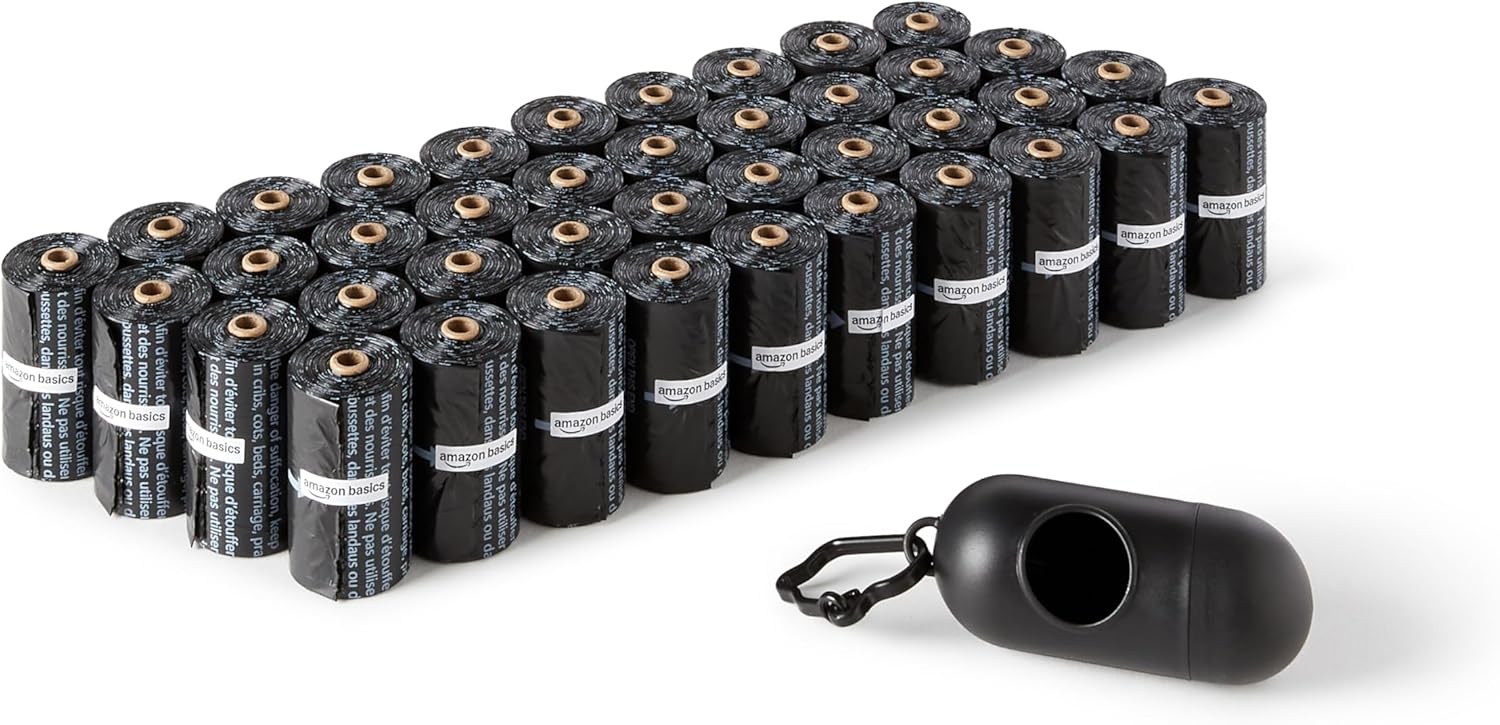
Dog Waste Bags with Dispenser
Calgary's mandatory waste removal bylaw applies everywhere at Nose Hill. Park rangers actively patrol and issue $250 fines. Dog waste damages the fragile rough fescue grassland ecosystem. Bins exist only at parking lots.
Check Price on AmazonHighly Recommended Safety & Comfort
These products address Nose Hill's documented hazards: active coyote population, resident porcupines, tick habitat, extreme temperature exposure, and distances that require dogs to carry supplies.

Air Horn Coyote Deterrent
Nose Hill supports a permanent coyote population. Air horns break their predatory focus and create escape time. Calgary Parks recommends carrying deterrents during April-June denning season and at dawn/dusk.
Check Price on Amazon
Basket Muzzle for Porcupine Protection
Porcupine quill removal costs $500-1,500 at Calgary emergency vets. Basket muzzle prevents mouth contact while allowing normal breathing and drinking. Essential for high prey drive dogs and twilight walks.
Check Price on Amazon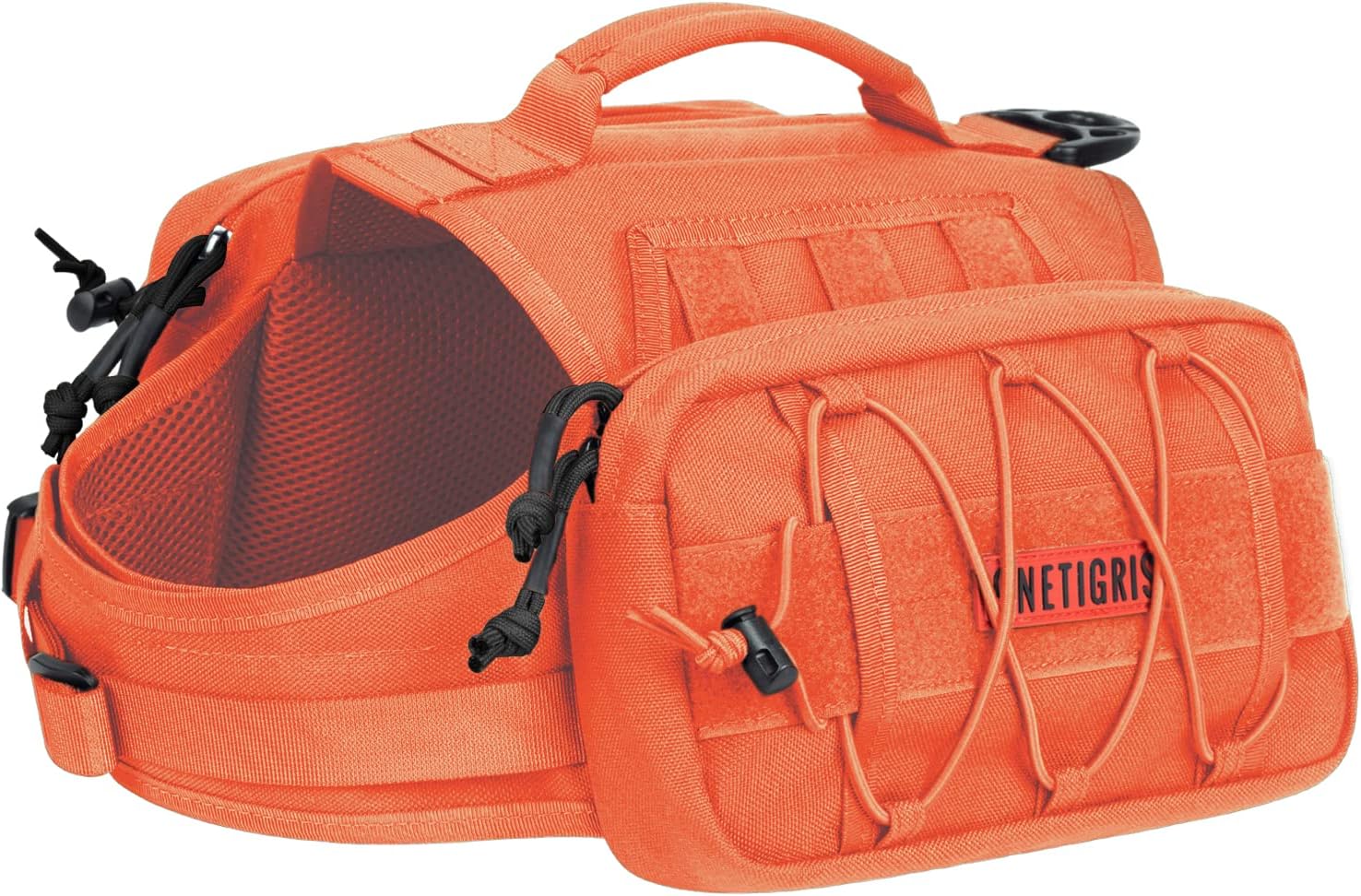
Dog Backpack for Trail Supplies
Loaded backpack (10-12% of body weight) provides physical challenge and mental focus. Let your dog carry their own water, waste bags, and first aid supplies. Ideal for working breeds who need jobs.
Check Price on Amazon
Tick Removal Tool Kit
Prairie grassland is prime tick habitat. Nose Hill's ecosystem supports American dog ticks that peak May-July. These ticks transmit Rocky Mountain spotted fever. Prompt removal within 24 hours is critical.
Check Price on Amazon
Dog Cooling Vest for Summer
Nose Hill offers almost zero shade across 11 square kilometers. Cooling vests use evaporation to drop your dog's body temperature 5-7°C. Essential for brachycephalic breeds and double-coated dogs.
Check Price on Amazon
Paw Protection Balm
Apply before walks in late October-November when frost and early ice appear. Protects paw pads from cold surfaces and prevents ice ball formation between toes. Natural ingredients safe if licked.
Check Price on Amazon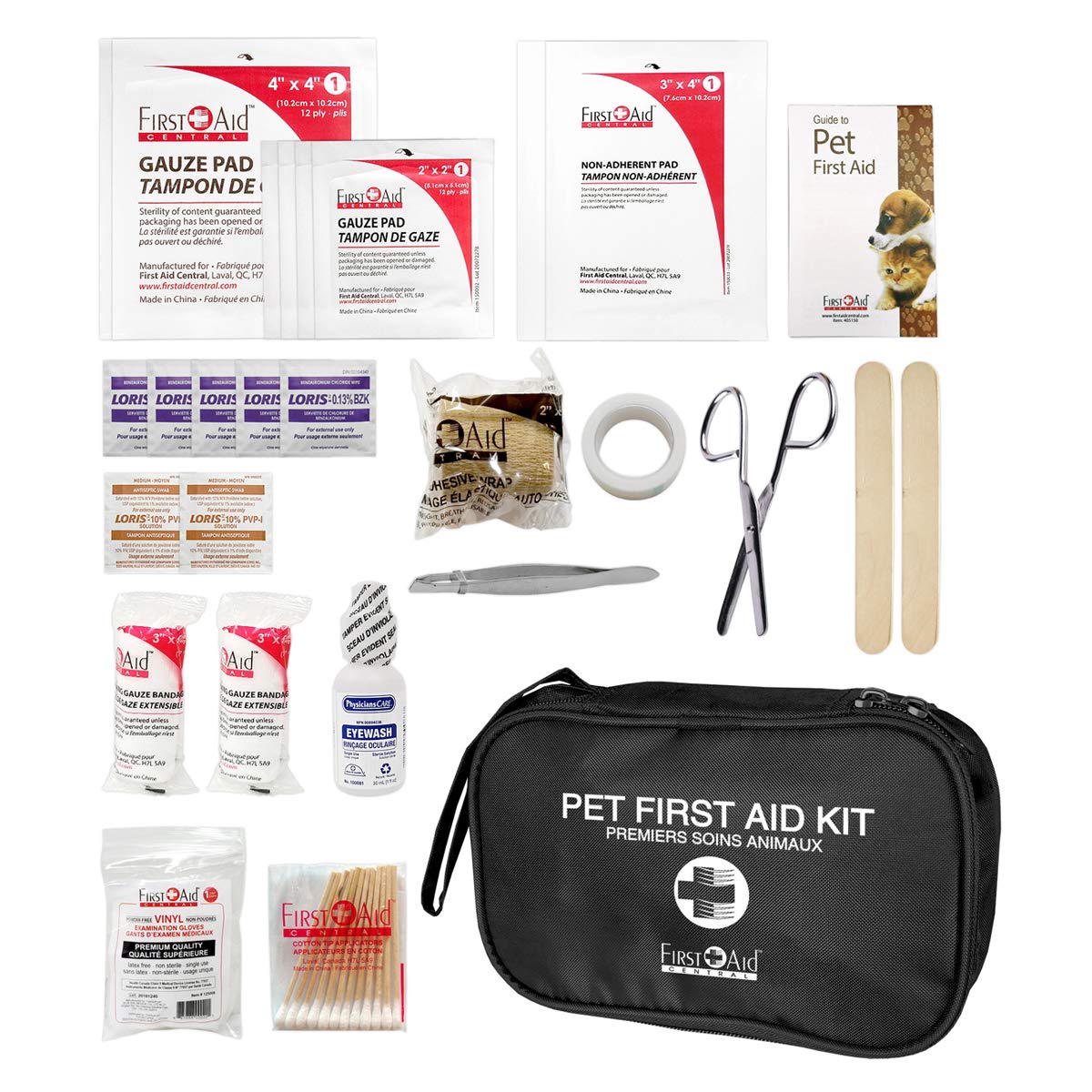
Dog First Aid Kit
Nose Hill's remote trails mean help is 30-60 minutes away. First aid kit handles cuts, scrapes, bee stings, and stabilizes emergencies until vet care. Keep in car permanently for any outdoor adventure.
Check Price on Amazon
Collapsible Water Bowl
Lightweight, packable bowl attaches to leash or backpack. Essential for long walks where frequent water stops prevent overheating. Silicone construction won't crack in Calgary's temperature extremes.
Check Price on AmazonSeasonal & Convenience Items
These items address specific seasonal challenges at Nose Hill: winter cold exposure, darkness, muddy conditions, and transportation considerations.
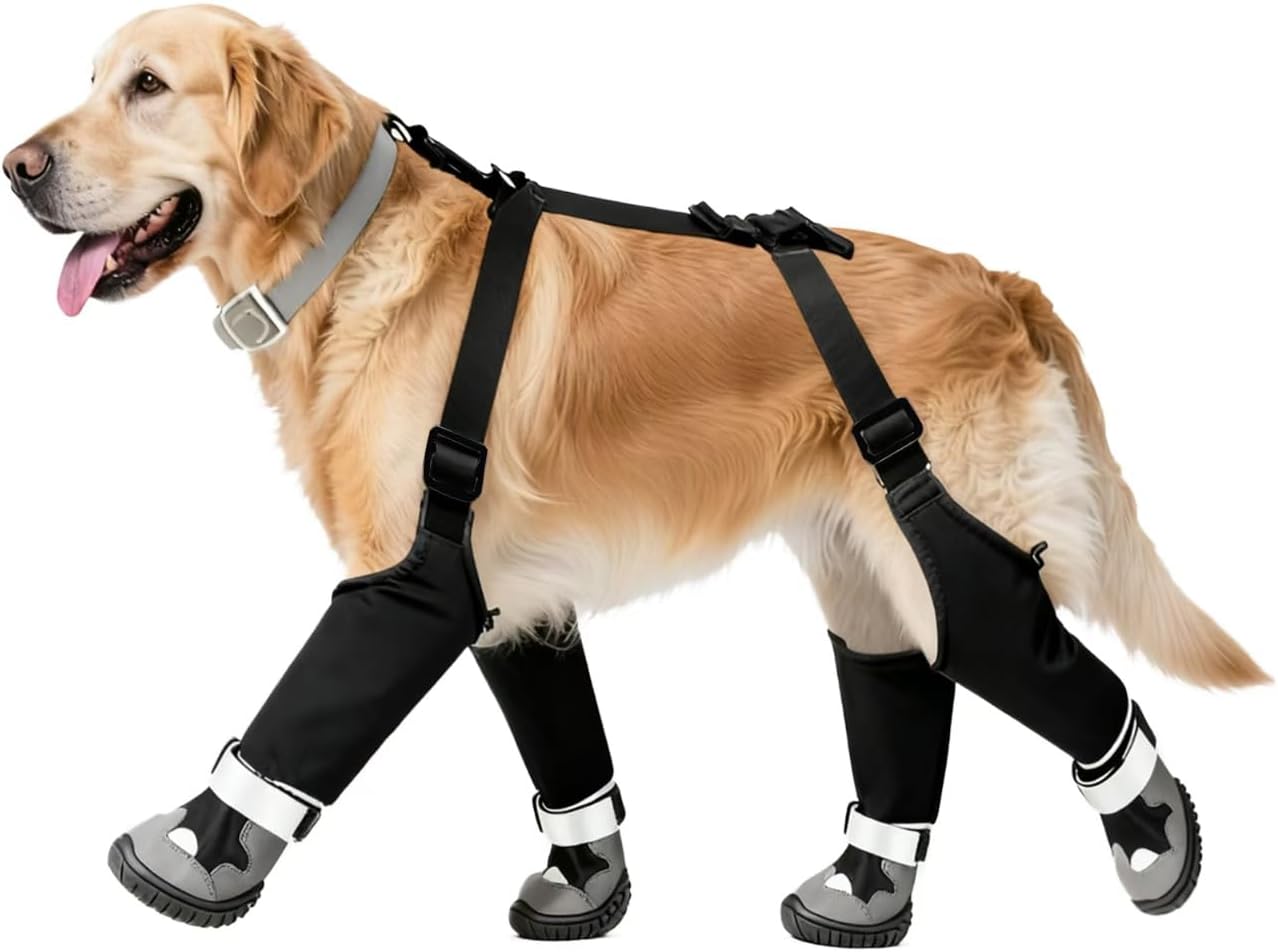
Waterproof Dog Boots
Protect paws from ice melt chemicals (Calgary uses products that BURN paws), provide traction on slippery leaves and early ice. Start acclimating your dog to boots in September for winter readiness.
Check Price on Amazon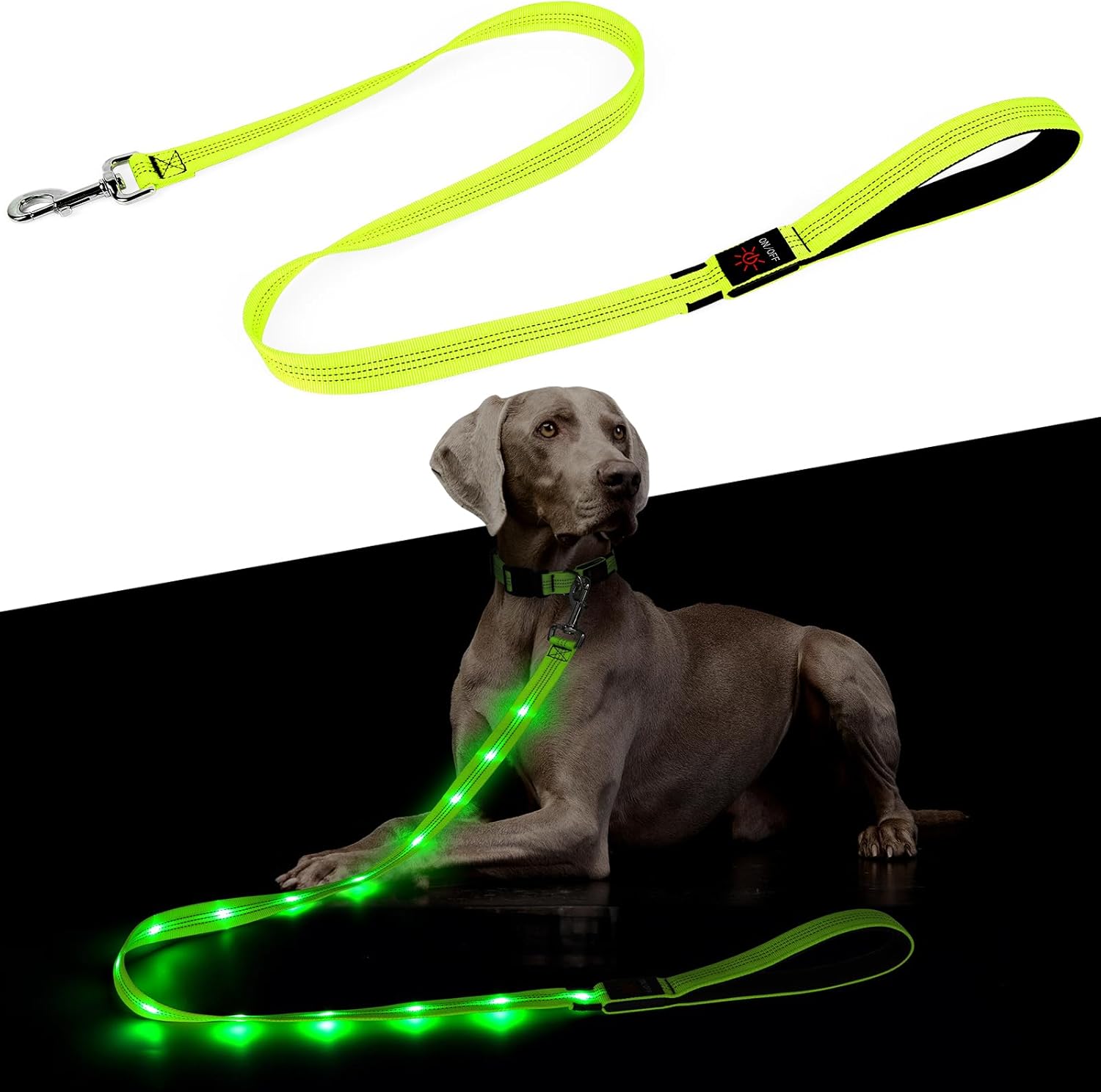
LED Illuminated Dog Leash
Essential for evening walks on leaf-covered trails where regular leashes disappear in darkness. By late October, sunset is before 6 PM. Rechargeable battery lasts multiple walks. Waterproof for October/November weather.
Check Price on Amazon
Paw Wipes for Muddy Trails
Spring and fall bring muddy coulee trails. Wipes clean paws before car entry and remove ice melt residue in winter. Keep package in vehicle year-round. Hypoallergenic formula safe for sensitive paws.
Check Price on Amazon
Waterproof Car Seat Cover
Rain, snow, morning dew on tall grass, and the hidden rainwater pond guarantee muddy, wet dogs. Waterproof seat cover protects your vehicle and makes cleanup effortless. Machine washable for frequent use.
Check Price on Amazon
Insulated Winter Dog Jacket
Nose Hill's zero wind protection means -10°C feels like -20°C with wind chill. Insulated jacket essential for small dogs, short-haired breeds, and any walk below -5°C. Reflective trim for winter darkness.
Check Price on Amazon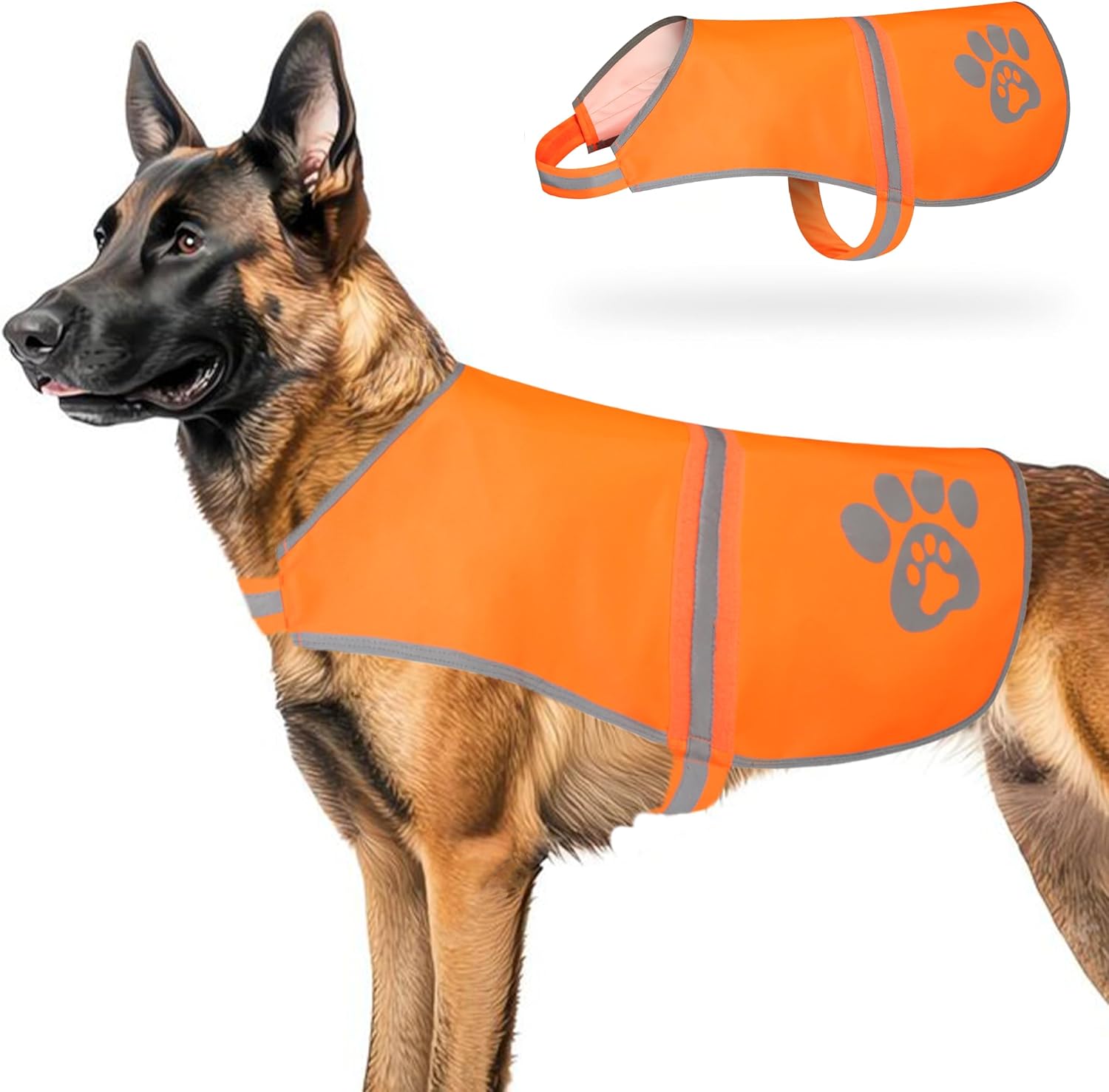
Reflective Dog Vest (Evening Walks)
By late October, sunset is before 6 PM, making afternoon walks happen in darkness. 360-degree visibility for drivers and cyclists on pathway systems. Critical safety item for fall/winter visits.
Check Price on Amazon
Adjustable Dog Fleece Jacket
Perfect for Calgary's 5-15°C fall temperature range. Provides warmth without overheating during active play. Essential for short-haired breeds (Boxers, Vizslas, Greyhounds) and small dogs.
Check Price on Amazon
Quick-Dry Microfiber Dog Towel
Rain, snow, morning dew on tall grass, and the hidden rainwater pond guarantee your dog gets wet. Microfiber absorbs 7x more water than cotton, dries in your car between uses, and packs smaller.
Check Price on AmazonGear Maintenance Reminder
- Check equipment monthly: Leashes and collars wear faster in Nose Hill's rough terrain. Replace frayed items before they fail.
- Refresh water and treats: Car-stored water bottles and treats degrade in Calgary's temperature extremes. Replace every 2-3 months.
- Test batteries: LED gear, air horns, and flashlights need fresh batteries, especially after winter storage when cold drains power.
- Clean after use: Mud and ice melt residue damage gear. Rinse items after wet or winter walks to extend lifespan.
Local Secrets & Hidden Gems
These insider tips come from Calgary dog owners who visit Nose Hill weekly, park regulars who've explored every coulee, and hard-learned lessons from mistakes. This knowledge separates tourists from locals.
The Hidden Rainwater Pond
Location: Many Owls Valley, northeast quadrant
Access: From Edgemont entrance, northeast for 1.2km, descend into valley
Best Months: May-July after snowmelt
This ephemeral pond isn't marked on any official map, but local dogs know it well. Fed by spring runoff and heavy rains, it provides the only natural water source where dogs can safely wade and cool off. Perfect photo opportunity with prairie grasses reflected in still water.
Parking Lot Security Warning
Highest Risk: John Laurie Boulevard lot
Peak Times: Weekday afternoons, twilight
Secondary Risk: Brisebois Drive lot
TripAdvisor and local police reports document repeated smash-and-grab thefts at the John Laurie parking area. Never leave visible valuables. Edgemont and 14th Street lots have better visibility and proximity to residential areas.
Post-Walk Coffee Tradition
Location: Friends Cafe, 5607 4 St NW
Distance: 3km from Edgemont entrance
Dog-Friendly: Patio seating, water bowls provided
The Saturday parkrun community and regular dog walkers have made Friends Cafe the unofficial "third place" after Nose Hill visits. The patio welcomes well-behaved dogs, staff provide water bowls without asking.
Best Skyline Photography Spot
Location: Big Rocks viewpoint, western ridge
Best Time: Sunrise (east-facing) or sunset (west-facing)
Access: 20-minute walk from 14th Street entrance
The glacial erratic boulders on the western ridge provide Calgary's best urban park photo opportunity. Downtown skyline, Rocky Mountain backdrop, your dog posed on ancient rocks transported by glaciers 10,500 years ago.
Annual Goat Grazing Program
Season: Late September - Early October
Location: Rotates annually across park sections
Dog Rule: Must be leashed within 50 meters
The City of Calgary brings 300+ goats to Nose Hill each fall for vegetation management. This sustainable approach controls invasive species while entertaining visitors. Dogs must be leashed near goats — bylaw officers enforce strictly.
Best Wildlife Viewing Times
Raptors: Spring/Fall migration, midday thermal updrafts
Deer: Early morning (6-8 AM) in Many Owls Valley
Coyotes: Dawn/dusk (observe from distance, recall dog)
Nose Hill's prairie ecosystem supports diverse wildlife. Bring binoculars for hawk watching from ridge tops. Keep dog close during peak wildlife hours — observation is fine, interaction is dangerous for both dog and wildlife.
Nearby Dog Amenities (Vets, Cafes, Stores)
Know where critical services are BEFORE you need them. Save these contacts to your phone and keep closest emergency vet programmed into GPS.
Emergency Veterinary Clinics (Open 24/7)
For porcupine quills, coyote attacks, heat stroke, or any emergency:
Calgary North Veterinary Hospital
Phone: 403-276-8387
Address: 4204 4 St NW
Distance: 5 km from Edgemont entrance (10 min drive)
Services: 24/7 emergency, surgery, critical care
Western Veterinary Specialist & Emergency
Phone: 403-770-1340
Address: 1802 10 Ave SW
Distance: 12 km from Edgemont (18 min drive)
Services: 24/7 emergency, specialists on staff
Calgary Animal Referral & Emergency
Phone: 403-520-8387
Address: 7140 12 St SE
Distance: 20 km from Edgemont (25 min drive)
Services: 24/7 emergency, referral specialists
Always call ahead so they can prepare anesthesia for quill removal or stabilize critical injuries.
Regular Veterinary Clinics (By Appointment)
Nose Hill Animal Hospital
Phone: 403-282-3563
Distance: 2.5 km from park
Wellness exams, vaccinations
Beddington Veterinary Hospital
Phone: 403-275-3234
Distance: 4 km from park
General practice, surgery
Pet Supply Stores
PetSmart Beddington
8888 Country Hills Blvd NW
Full supplies, grooming services
Pet Planet Market Mall
3625 Shaganappi Trail NW
Specialty items, raw food
Bone & Biscuit Brentwood
3630 Brentwood Rd NW
Natural/holistic products
Dog-Friendly Cafes & Patios
Friends Cafe
5607 4 St NW
Unofficial Nose Hill post-walk spot
Water bowls, patio seating
Analog Coffee
740 17 Ave SW (multiple locations)
Dog-friendly patio
Popular with dog owners
Park History & Indigenous Heritage
Before it became Calgary's premier dog park, Nose Hill held 10,500 years of Indigenous history and played a crucial role in prairie conservation. Understanding this context deepens appreciation for the land you and your dog explore.
Indigenous Significance (10,500 Years)
Blackfoot Name: "Nose Hill" is a English translation. The Blackfoot people called it "Mokínstsis" meaning "hill that resembles an elbow," referring to its profile shape when viewed from the plains.
Archaeological Evidence: Stone tool fragments, tipi rings, and buffalo jump sites throughout the park date human presence back 10,500 years, making this one of Alberta's oldest continuously-used landscapes.
Spiritual Significance: The elevated plateau provided panoramic views for hunting bison, monitoring weather patterns, and conducting ceremonies. The 360-degree visibility that makes it great for watching your dog served life-or-death purposes for thousands of years.
Buffalo Stones (Iniskim): The glacial erratic boulders scattered across Nose Hill were considered sacred by the Blackfoot, associated with buffalo-calling ceremonies. These same rocks now serve as popular dog photo spots.
Modern Conservation History
1970s Development Threat: Calgary planned to develop Nose Hill into residential housing. Grassroots community activism led by local residents prevented subdivision, arguing for prairie preservation.
1980 Park Designation: City of Calgary officially designated Nose Hill as a natural environment park, protecting 11 square kilometers of rough fescue grassland — one of North America's most endangered ecosystems.
Friends of Nose Hill Society: Founded 1981, this volunteer organization educates visitors about prairie ecology, removes invasive species, and advocates for conservation. Their work ensures your dog's playground remains ecologically healthy.
Canada's 4th Largest Urban Park: Nose Hill ranks behind Rouge National Urban Park (Toronto), Fish Creek Provincial Park (Calgary), and River Valley (Edmonton). Its preservation represents one of Canada's most successful urban conservation efforts.
Ecological Importance
Rough Fescue Prairie: This ecosystem once covered 20% of Alberta. Now less than 1% remains. Nose Hill protects one of the last significant parcels within an urban area.
200+ Plant Species: Including rare prairie species like small-flowered sand verbena and three-flowered avens. The biodiversity rivals many protected nature reserves.
Wildlife Corridor: Connects to other Calgary greenspaces, allowing coyotes, deer, and raptors to move through the urban environment. The coyotes your dog might encounter are part of this functional ecosystem.
Urban Research Site: University of Calgary researchers study how dogs impact prairie vegetation, bird nesting success, and small mammal populations. Your responsible dog ownership (voice control, waste pickup) supports ongoing research.
How Nose Hill Compares to Other Calgary Dog Parks
Calgary offers dozens of off-leash areas, each with distinct characteristics. This comparison helps you choose the right park based on your dog's needs, your experience level, and seasonal considerations.
Bowmont Park
Location: West Calgary (Silver Springs area)
Size: 164 hectares with extensive off-leash
Best For: River access, shaded trails, water-loving dogs
Key Differences from Nose Hill: Bowmont offers actual river access for swimming, far more shade under mature forest canopy, and protection from wind. However, it's significantly more crowded on weekends, trails can be extremely muddy spring/fall, and river access poses drowning risk for weak swimmers. Better than Nose Hill for summer heat, worse for training recall (too many distractions). Choose Bowmont when your dog needs to cool off in water or you want shaded walking.
Fish Creek Provincial Park
Location: South Calgary (multiple access points)
Size: 1,348 hectares (Calgary's largest park)
Best For: Varied terrain, long distances, forest/river combo
Key Differences from Nose Hill: Fish Creek is 12x larger, offering multi-hour explorations Nose Hill can't match. Features diverse ecosystems (wetlands, forest, grassland, river) versus Nose Hill's prairie focus. However, significantly more crowded with cyclists and runners, stricter on-leash zones near sensitive wetlands, and more bear/cougar warnings. Fish Creek wins for distance and variety, Nose Hill wins for immediate off-leash freedom and training environments. Choose Fish Creek for all-day adventures with well-trained dogs.
Sue Higgins Park
Location: South Calgary (Glenmore Reservoir)
Size: 62 hectares with fenced off-leash area
Best For: Beach access, swimming, fenced security
Key Differences from Nose Hill: Sue Higgins is fully fenced (Nose Hill isn't), offers reservoir beach swimming (Nose Hill has no water), and provides security for dogs still learning recall. However, much smaller area means less running space, gets extremely crowded summer weekends, and dogs dig holes creating trip hazards. Sue Higgins is Calgary's best all-around dog park for socialization and water play, but Nose Hill offers vastly more exercise space and fewer crowds. Choose Sue Higgins for puppies, water dogs, or when you want guaranteed dog-to-dog play.
Edworthy Park
Location: West Calgary (Spruce Cliff area)
Size: 125 hectares with off-leash areas
Best For: River valley and prairie combo, moderate crowds
Key Differences from Nose Hill: Edworthy bridges the gap between Nose Hill's open prairie and Bowmont's dense forest, offering varied terrain that includes river valley forests, open meadows, and elevated lookout points. The park provides both intimate wooded trails and expansive open spaces. River access is available but less convenient than Bowmont's. Tends to be less crowded than other major parks, making it a hidden gem. Good option for dogs transitioning from fenced parks to full wilderness areas.
Quick Park Selection Guide
Need Water Access?
→ Bowmont Park or Sue Higgins
Training Recall?
→ Nose Hill (open visibility, fewer distractions)
Summer Heat?
→ Bowmont or Edworthy (shade + river)
Maximum Distance?
→ Fish Creek (1,348 hectares)
Dog Socializing?
→ Sue Higgins (fenced, busy, beach play)
Least Crowded?
→ Nose Hill weekdays or Edworthy anytime
Frequently Asked Questions
Is Nose Hill safe for small dogs?
Small dogs under 25 lbs face real coyote risk, especially during April-June denning season and at dawn/dusk year-round. Keep small dogs on long-line leash (30-50ft), avoid wooded coulees, never visit alone at twilight, and carry air horn deterrent. Many small dog owners successfully use Nose Hill by sticking to main trails during midday hours. Consider Sue Higgins or Southland fenced parks as safer alternatives for tiny breeds.
How do I prevent porcupine encounters?
Stick to open prairie and avoid wooded coulees (Porcupine Valley, Many Owls Valley forested sections). Train solid "leave it" command. Use long-line leash in any brushy area. Watch your dog's body language — they'll freeze and point when detecting porcupine scent. Visit during daylight hours when porcupines are less active. Most encounters happen when curious dogs investigate brush without owner awareness. Prevention is 100% effective if you stay on prairie — porcupines don't live in open grassland.
Can I bring my dog in winter?
Yes, but winter brings serious challenges. Wind chill can make -10°C feel like -25°C with no protection. Ice melt chemicals burn paws (boots mandatory). Shorter daylight means many visits happen in darkness. Small dogs risk frostbite in under 30 minutes below -15°C. Coyotes are bolder and more desperate in winter. However, winter offers unique beauty, solitude, and cross-country skiing opportunities. Proper gear (boots, jacket, lights) makes it manageable for medium/large dogs. Small/short-haired breeds should skip winter visits.
Is there cell service at Nose Hill?
Yes, full cell service across all major carriers (Rogers, Telus, Bell, Freedom). The elevated plateau provides excellent signal. This is critical for emergencies — you can call vets or 911 from anywhere in the park. GPS also works reliably for navigation apps. Save emergency vet numbers in your phone before visiting.
Are there ticks at Nose Hill?
Yes, American dog ticks are common May-July in prairie grassland. Check your dog thoroughly after every visit — focus on face, ears, neck, between toes. Ticks transmit Rocky Mountain spotted fever but risk is low with prompt removal (within 24 hours). Keep tick removal tool in car. Consider preventive medication from your vet during tick season. Ticks are manageable with awareness but shouldn't be ignored.
How long does a typical visit take?
Depends on route and dog energy. Short prairie loop: 30-45 minutes. Many Owls Valley circuit: 60-75 minutes. Full perimeter: 2-2.5 hours. Factor in drive time (10-20 minutes from most Calgary neighborhoods), parking, gear prep, and post-walk paw checks. Most visitors spend 60-90 minutes total including walk and logistics. High-energy dogs may need the full 2+ hour commitment.
Can I bike with my dog at Nose Hill?
Technically yes, but it's challenging. Dogs must stay within sight and under voice control while you bike. Most trails are rough dirt (not smooth cycling). Other users (dogs, horses, pedestrians) require constant attention. Better cycling parks: Bow River pathway, Glenmore pathway. If you do bike with dog at Nose Hill: stick to main trails, keep slow speed, use hands-free leash system, ensure excellent recall. Most dog owners find walking more practical here.
Pre-Visit Checklist
Before leaving home, ensure you have everything needed for a safe, enjoyable visit. This checklist prevents forgotten items that could ruin your trip.
Essential Safety Items
- ☐ High-visibility vest (orange/reflective)
- ☐ Emergency recall whistle
- ☐ 2+ liters water (insulated bottle)
- ☐ Collapsible water bowl
- ☐ Waste bags + dispenser
- ☐ Leash (6ft standard + 30ft long-line)
- ☐ Current ID tags on collar
- ☐ First aid kit in car
- ☐ Phone fully charged
- ☐ Emergency vet numbers saved
Seasonal Gear
Spring/Fall:
- ☐ Light jacket (5-15°C)
- ☐ Paw wipes (mud)
- ☐ Tick removal tool
Summer:
- ☐ Cooling vest
- ☐ Extra water (3L minimum)
- ☐ Paw pad protection
- ☐ Visit before 9 AM or after 7 PM
Winter:
- ☐ Waterproof boots (mandatory)
- ☐ Insulated jacket
- ☐ Paw balm
- ☐ LED leash/collar
- ☐ Reflective vest
Wildlife Protection
- ☐ Air horn (coyote deterrent)
- ☐ Long-line leash for wooded areas
- ☐ Basket muzzle (high prey drive dogs)
- ☐ Know location of emergency vets
- ☐ Avoid dawn/dusk if small dog
- ☐ Stay in prairie (avoid coulees)
Before You Leave Home
- ☐ Check weather forecast (wind especially)
- ☐ Confirm daylight hours (sunset changes)
- ☐ Dog exercised/bathroom before car ride
- ☐ Test recall in fenced area first visit
- ☐ Vehicle has gas (remote location)
- ☐ Someone knows where you're going
- ☐ Phone fully charged
- ☐ Check for park alerts/closures
Ready to Explore Nose Hill Park?
Use the Edgemont Boulevard entrance for immediate off-leash access, pack plenty of water, check for porcupines in wooded areas, and give your dog the prairie adventure of a lifetime.
We keep this guide current with the latest Calgary Parks bylaws and on-the-ground conditions. Rules and seasonal access can change — always check posted signage on site.