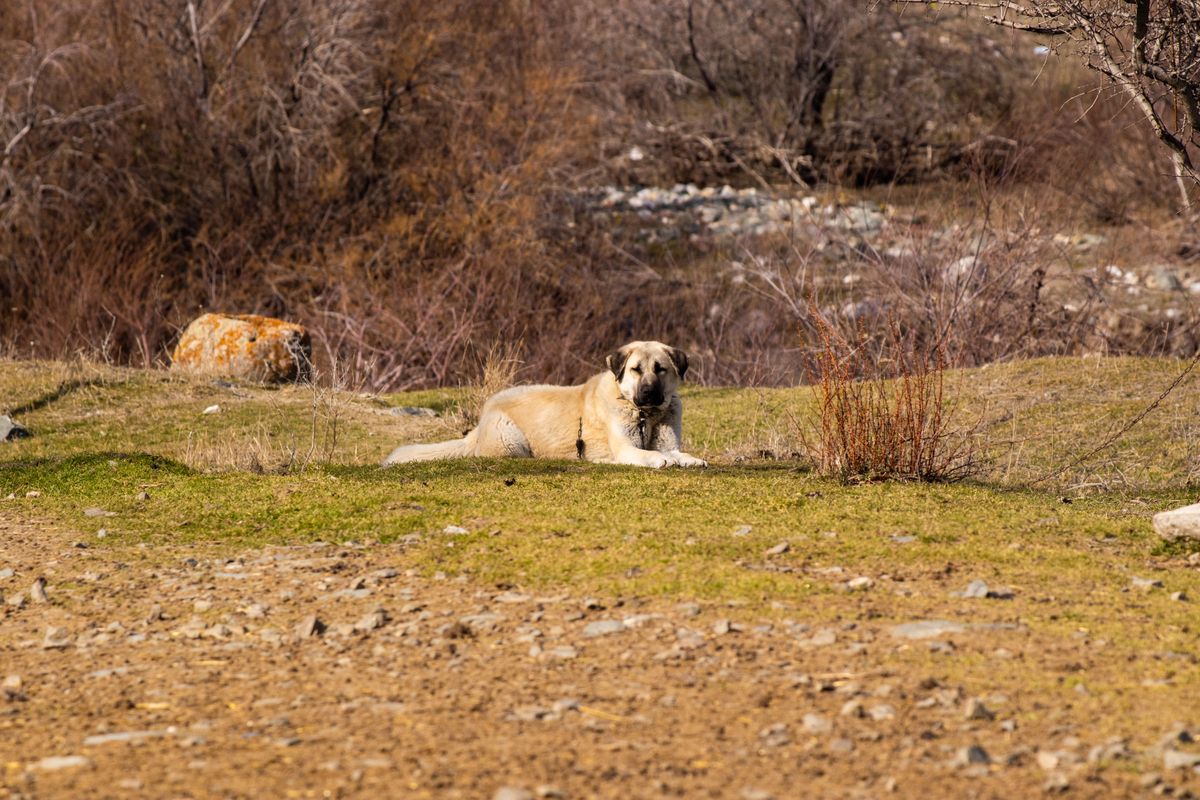
Nose Hill Park is one of North America's largest urban parks, and Canada's fourth-largest, spread across roughly 11 square kilometres of raw prairie grassland in Calgary's northwest.
It's spectacular, genuinely challenging, and not the right park for every dog.
Here's what you need to know before your first visit.
Is Your Dog Ready for Nose Hill Park?
Be honest with yourself before you go, since Nose Hill is unfenced and demands more from your dog than a park like Sue Higgins.
Does your dog come when called, every single time, even with distractions like ground squirrels darting through the grass?
Can your dog handle wildlife encounters without chasing, whether that's ground squirrels, coyotes, or the occasional deer?
Is your dog comfortable on open, exposed terrain where wind can pick up fast with almost no warning?
If you answered no to any of these, Nose Hill isn't the right park yet. Build reliable recall at a fenced park first, and treat Nose Hill as the reward once you're ready.
What Should I Expect the First Time I Visit?
Nose Hill is raw and exposed in a way that surprises first-time visitors used to Calgary's more manicured community parks.
There are no shelters, no water fountains, and no paved pathways once you're up on the hilltop itself, just grassland, sky, and wind.
On a clear day, the Rocky Mountain views from the ridge are genuinely breathtaking, among the best dog-walking views in the city.
On a windy winter day, though, the windchill on that same exposed ridge can turn dangerous fast, so know the forecast before you commit to a long loop.
What Are the Best Trails for Dogs at Nose Hill?
The Porcupine Valley Loop, roughly 45 minutes, is our top recommendation for most dogs, with varied terrain and some shelter from wind in the coulees.
Many Owls Valley, a 30-to-40-minute route, sits more sheltered from wind than the open hilltop, which makes it a better pick for dogs who find the exposed terrain overwhelming.
The 14th Street entrance trails, ranging from 20 to 60 minutes depending on the loop you choose, wind through aspen groves and offer the most route options, which is also why this entrance tends to be the busiest.
What Wildlife Should I Watch For?
Coyotes are common at Nose Hill, especially around dawn and dusk. Keep your dog close during those hours, and leash immediately if you spot one.
Ground squirrel holes are everywhere across the park, and a running dog can break a leg in a hidden hole, particularly in spring when new grass growth conceals them.
Porcupines live in the aspen groves on the park's edges. A porcupine encounter almost always means an emergency vet visit to remove quills, so keep dogs close in wooded pockets, not just the open grassland.
What Gear Should I Bring to Nose Hill Park?
How Does Nose Hill Change Through the Seasons?
Where Are the Main Entrances and Parking Areas?
Nose Hill has multiple entrances scattered around its perimeter, and which one you choose changes the whole character of your walk.
The 14th Street NW entrance is the most popular and has the most defined trail network through aspen groves, which makes it a good starting point if this is your first visit.
The Edgemont side offers more direct access into open grassland with less tree cover, suited to owners who want distance and views over shelter.
Other lots ring the park at various points, and most require a short walk before you reach the true off-leash sections, so budget extra time compared to a park like Sue Higgins where the fence line starts right at the parking lot.
Because Nose Hill doesn't have a single dominant entrance, weekend crowding is much less concentrated than at a single-entrance park, and it's rare to feel like you're fighting for space even on a busy Saturday.
What Dogs Do Best at Nose Hill Park?
High-energy breeds with strong recall are the obvious fit, since the sheer scale here lets a dog actually run rather than loop the same small field repeatedly.
Confident, socially independent dogs tend to enjoy Nose Hill more than dogs who need constant contact with other dogs, since the crowd density is much lower than a fenced destination park.
Older or less mobile dogs can still do well here if you stick to the more sheltered valley trails rather than the exposed hilltop routes, which involve more elevation change and wind exposure.
Dogs who are still nervous around off-leash strangers can actually do better at Nose Hill than at a crowded fenced park, simply because there's more physical space to keep distance from other dogs and handlers.
A Note on Coyote Safety at Nose Hill
Nose Hill has one of the higher coyote populations of any Calgary park, largely because the terrain and prey base support it.
Most encounters happen at dawn or dusk, so a mid-morning or early-afternoon visit meaningfully lowers your odds of a close encounter.
If you do see a coyote, leash your dog immediately and back away calmly rather than letting your dog investigate; coyotes here are generally more wary of people than aggressive toward them, but a chase instinct in either direction can escalate a sighting into a real problem.
Keeping your dog close during those higher-risk hours isn't about panic, it's the single most effective thing you can do to keep a routine walk routine.
Is Nose Hill Better Than Sue Higgins for My Dog?
They're built for different dogs, not competing versions of the same park.
Choose Nose Hill if your dog has rock-solid recall, handles open exposed terrain well, and you want serious distance and elevation on a walk.
Choose Sue Higgins Park if your dog is still building recall, gets anxious off-leash without a physical boundary, or you want river access alongside open field space.
Many Calgary owners end up using both: Sue Higgins for regular visits and recall practice, Nose Hill as the payoff once that recall is dependable in a genuinely open environment.
For the complete park directory entry, including maps and parking details, see our Nose Hill Park guide.