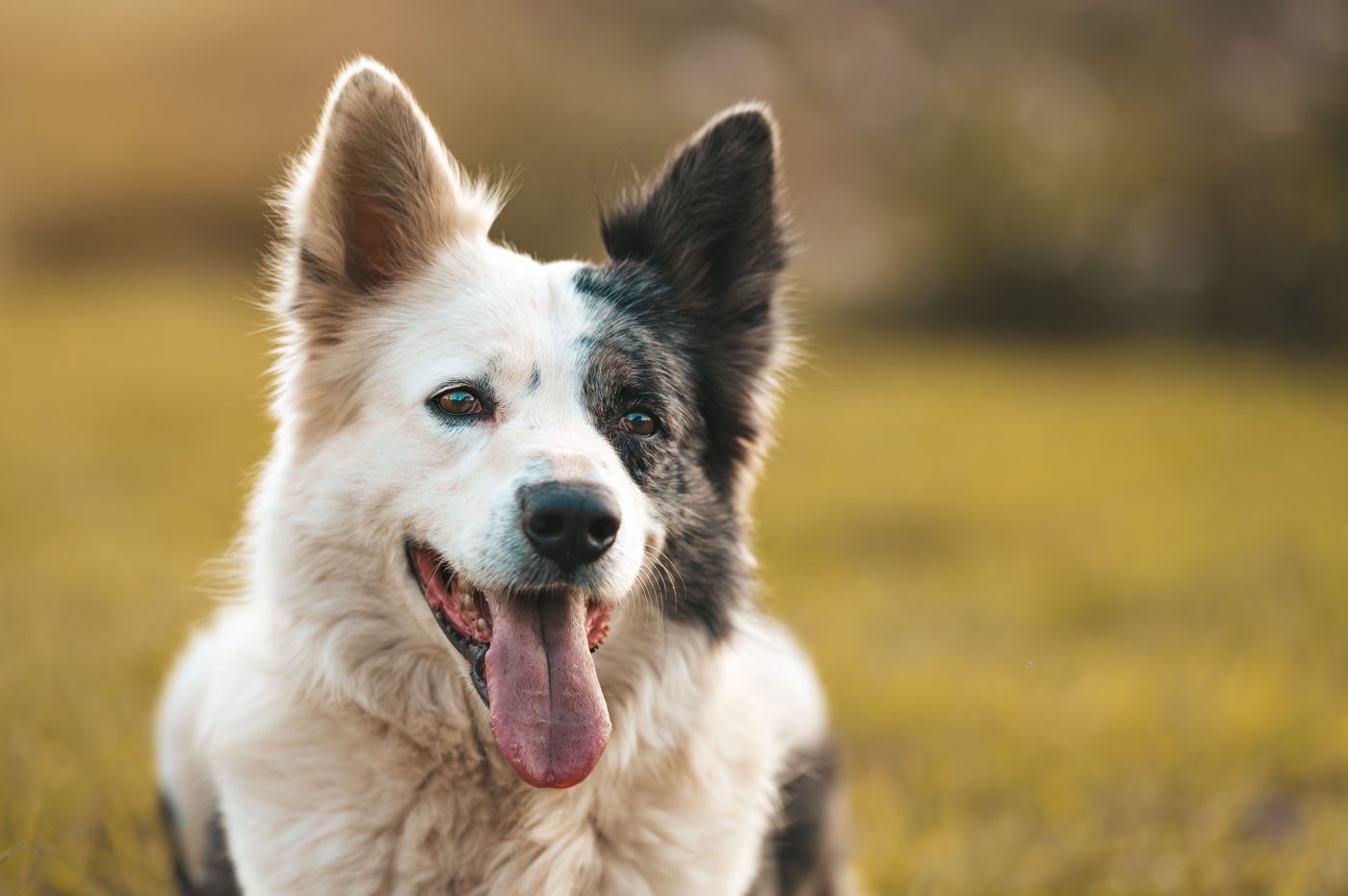
The Border Collie stands as one of the most intelligent and energetic dog breeds. Originally developed for herding sheep in the rugged border regions between Scotland and England, these remarkable dogs have captured the hearts of Calgary families with their exceptional intelligence, unwavering work ethic, and athletic prowess. For active Calgary residents who embrace our city's outdoor lifestyle, this breed represents both an exciting opportunity and a significant commitment.
📚 Table of Contents
- Breed Overview
- History and Origins
- Physical Characteristics
- Temperament and Personality
- Intelligence and Training
- Exercise Requirements
- Best Calgary Dog Parks
- Mental Stimulation Needs
- Grooming and Care
- Health Considerations
- Feeding and Nutrition
- Living in Calgary's Climate
- Socialization Requirements
- Common Challenges
- Is This Breed Right for You?
- Finding Your Dog in Calgary
- Calgary Resources for Owners
- Conclusion
Border Collie Breed Overview
This breed ranks among the world's most intelligent dogs. These medium-sized animals possess remarkable cognitive abilities. They combine intense focus with boundless energy. Originally bred for herding livestock, this heritage influences every aspect of their behaviour and needs.
These dogs require significant physical and mental exercise daily. They thrive when given jobs to perform. Excelling in dog sports and activities comes naturally. Calgary's extensive dog park system provides excellent opportunities. However, potential owners must understand the substantial commitment required.
Living in Calgary
Calgary's active outdoor culture suits these herding dogs well. Our city offers over 95 off-leash areas. These provide essential exercise opportunities. The surrounding foothills and mountains offer additional adventures. Many Calgary owners participate in agility training. Others engage in herding trials or flyball competitions.
History and Origins
The breed emerged from the rugged borderlands between Scotland and England during the late 19th century. Farmers needed exceptional herding dogs. These dogs had to navigate difficult terrain. They required intelligence to work independently. The breed name reflects geographic origins along the Anglo-Scottish border.
A dog named Old Hemp revolutionized the breed in 1893. Adam Telfer bred this remarkable dog in Northumberland. Old Hemp displayed extraordinary herding abilities. He used an intense stare rather than barking. This technique became known as "the eye." All modern dogs of this breed trace their lineage back to Old Hemp.
The International Sheep Dog Society formed in 1906. This organization preserved working heritage. Official recognition by the Kennel Club came in 1976. The American Kennel Club granted recognition in 1995. Today, these dogs serve as working animals, competitors, and companions.
Physical Characteristics
These dogs present a picture of athletic grace. Medium-sized with well-balanced proportions. Their build reflects heritage as working animals. Every physical feature serves a functional purpose.
Size and Weight
Males typically stand 19 to 22 inches tall at the shoulder. They weigh between 30 and 45 pounds. Females measure 18 to 21 inches in height. Their weight ranges from 27 to 42 pounds. Individual dogs may fall outside these ranges.
Coat Types and Colours
Two distinct coat varieties exist. Rough-coated dogs have medium-length fur with feathering. Smooth-coated dogs possess shorter, denser coats. Both types feature weather-resistant double coats.
The classic black and white pattern is most recognizable. However, numerous colour combinations exist. Red and white, tricolour, blue merle, and sable variations appear regularly. Some dogs display solid colours. Eye colour varies from brown to blue. Heterochromia occurs occasionally, particularly in merle-coated dogs.
Distinctive Features
The intense gaze distinguishes them from other breeds. Their eyes convey remarkable focus and intelligence. Ears can be fully erect, semi-erect, or dropped. The tail reaches the hocks with an upward swirl. Overall build emphasizes agility and endurance over bulk.
Temperament and Personality
These dogs possess highly distinctive personalities. Understanding their temperament is crucial before committing to ownership. Characteristics reflect herding heritage deeply.
Intelligence and Drive
Intelligence is legendary in this breed. They learn commands exceptionally quickly. Understanding complex instructions and anticipating handler needs comes naturally. This intelligence requires consistent mental challenges. Bored dogs develop problematic behaviours.
The drive to work is intense and persistent. These dogs need jobs to feel fulfilled. Without appropriate outlets, they may herd children, pets, or even vehicles. This instinct cannot be eliminated through training. It must be redirected into acceptable activities.
Energy Levels
Among the most energetic dog breeds. They require substantial daily exercise. A simple walk around the block proves insufficient. These dogs need vigorous activities that challenge physical capabilities. Running, fetching, and agility work provide appropriate outlets.
Young dogs display particularly high energy levels. This intensity continues through the first three to four years. Mature dogs may calm slightly. However, seniors often remain surprisingly active.
Social Nature
Strong bonds form with their families. They prefer staying close to their people. These dogs thrive on interaction and participation. However, friendliness toward strangers varies. Early socialization influences comfort with new people.
With other dogs, they often enjoy play and companionship. Herding instinct may manifest during interactions. Some attempt to control group movements. Proper socialization minimizes potential issues.
Did You Know?
A dog named Chaser learned over 1,000 words. She could identify and retrieve specific objects by name. This demonstrated exceptional cognitive abilities. Chaser understood concepts like categories and basic grammar. Her accomplishments earned recognition as "the world's smartest dog."
Intelligence and Training
Training presents unique rewards and challenges. Intelligence accelerates learning. However, it also requires thoughtful, consistent approaches.
Training Approach
Positive reinforcement methods work best. They excel with reward-based training. These dogs remain sensitive to corrections. Harsh methods damage the human-dog relationship. They prove unnecessary given eagerness to please.
Training sessions should be engaging and varied. Basic commands are mastered quickly. Progression to advanced skills becomes necessary. Trick training, agility work, or herding trials maintain interest. Regular training throughout life prevents boredom.
Early Training Importance
Begin training puppies immediately. Early socialization proves crucial for developing well-adjusted adults. Expose young dogs to various people, animals, environments, and situations. Puppy kindergarten classes provide structured socialization opportunities.
Establish household rules from the beginning. Consistency prevents confusion and unwanted behaviours. All family members must enforce the same expectations. These intelligent dogs quickly learn which people allow rule-breaking.
Advanced Training Opportunities
These dogs excel in virtually every dog sport. Agility competitions showcase speed and intelligence. Obedience trials demonstrate trainability. Herding instinct tests and trials reconnect them with heritage.
Flyball, dock diving, and frisbee competitions suit athletic abilities. Rally obedience combines obedience with course navigation. Nose work and scent detection engage problem-solving skills. Calgary offers numerous training facilities and clubs for these activities.
Calgary Training Resources
Several Calgary facilities specialize in advanced dog training. Local agility clubs offer classes and competitions. The Calgary and District Obedience Training Club provides obedience training. Several private trainers focus on herding breed needs. These resources help dogs reach their full potential.
Exercise Requirements
Substantial daily exercise is required. Meeting physical needs prevents destructive behaviours. Multiple exercise sessions throughout each day prove necessary.
Daily Exercise Needs
Adults need minimum two hours of exercise daily. This should include vigorous activities rather than leisurely walks. Running, fetch games, and swimming provide appropriate intensity. Many dogs require even more exercise.
Puppies need shorter, more frequent activity sessions. Developing joints cannot handle excessive impact. Gradually increase duration and intensity as puppies mature. By 12 to 18 months, most can handle full adult exercise.
Exercise Variety
Vary exercise activities to maintain interest. Alternate between different dog parks and trails. Introduce new games and challenges regularly. This variety provides mental stimulation alongside physical exercise.
Weather should not prevent daily exercise. Calgary's climate requires adaptation rather than cancellation. Winter activities include snow play and winter hiking. Summer mornings and evenings avoid peak heat. Indoor activities supplement outdoor exercise during extreme weather.
Best Calgary Dog Parks for Border Collies
Calgary's extensive off-leash park system provides excellent opportunities. Different parks suit various needs and training stages.
Large Open Spaces
Nose Hill Park ranks among Calgary's largest natural areas. The vast grasslands allow dogs to run freely. Multiple trail systems provide varied terrain. The park's size accommodates high-speed activities. Approximately one-third permits off-leash activity.
Bowmont Park offers diverse landscapes and challenging terrain. The varied topography engages dogs mentally and physically. River access provides cooling opportunities. Multiple off-leash sections accommodate different activities. Natural features maintain interest across repeated visits.
Sue Higgins Park features Calgary's largest fenced off-leash area. This security benefits dogs still mastering recall. River access offers swimming opportunities. The expansive space allows for fetch and running games. Picnic facilities make it ideal for extended visits.
Parks for Training and Socialization
East Village Dog Park provides a fully fenced environment with agility equipment. The smaller size suits focused training sessions. Artificial turf maintains usability in all weather. The urban location offers socialization with diverse dogs.
Edworthy Park combines natural beauty with convenient access. The Bow River location provides water play opportunities. Multiple trail options accommodate various exercise intensities. The mix of open areas and wooded sections engages exploration instincts.
Neighbourhood Options
Confederation Park serves Northwest Calgary residents well. The varied terrain includes hills for conditioning. Tree coverage provides shade during summer. The park's size suits daily exercise routines.
River Park offers Southwest Calgary families convenient access. Elbow River views enhance the experience. Off-leash zones accommodate energetic play. The lush green space remains inviting throughout summer.
Rotary Park features family-friendly amenities alongside off-leash areas. The park's facilities support extended visits. Northeast Calgary location serves that quadrant well. Multiple activity zones accommodate various needs.
Did You Know?
Many Calgary owners frequent Fish Creek Provincial Park for its extensive trail system. The park's natural environment stimulates senses. Multiple access points serve different Calgary communities. The varied landscape provides excellent conditioning opportunities.
Water Activities
Many of these dogs enjoy swimming and water play. Calgary's river parks provide excellent opportunities. Sandy Beach Park offers multiple river access points. Carburn Park provides quieter water areas. Pearce Estate Park combines river access with natural wetlands.
Seasonal Park Selection
Summer heat requires strategic park selection. Choose locations with water access and shade. Morning and evening visits avoid peak temperatures. Winter conditions suit these dogs naturally. Their coats provide excellent insulation. However, protect paws from ice-melting chemicals.
Mental Stimulation Needs
Physical exercise alone does not satisfy these intelligent dogs. Exceptional intelligence demands mental challenges. Without adequate stimulation, they develop problematic behaviours.
Interactive Activities
Puzzle toys challenge problem-solving abilities. Hide and seek games engage tracking instincts. Training new tricks provides mental engagement. Scent work activities stimulate keen noses. Rotate activities to maintain novelty and interest.
Structured Activities
Agility training combines physical and mental challenges. The sport requires dogs to navigate obstacle courses. They must remember sequences and respond to directional cues. Many Calgary facilities offer agility classes. This structured activity satisfies multiple needs.
Herding lessons reconnect these dogs with their heritage. Several Alberta facilities offer sheep herding experiences. These sessions allow dogs to express natural instincts. The work provides profound satisfaction.
Daily Mental Exercise
Incorporate mental challenges into daily routines. Practice obedience commands during walks. Teach new tricks weekly. Use meal times for training and puzzle toys. These activities prevent boredom between major training sessions.
Calgary Mental Stimulation Opportunities
Calgary offers numerous options for mental engagement. Local dog training facilities provide classes ranging from basic obedience to advanced competition preparation. Private trainers specialize in herding breed needs. The Calgary area hosts regular agility trials and competitions. These events provide both training opportunities and community connections.
Grooming and Care
Regular grooming is required despite relatively low-maintenance coats. Proper care maintains coat health and reduces shedding issues.
Coat Care
Brush weekly at minimum. Rough-coated dogs need more frequent brushing to prevent matting. Smooth-coated varieties shed less but still benefit from regular grooming. Increase brushing frequency during spring and fall shedding seasons.
Baths are rarely required. Coats naturally repel dirt. Bathe only when noticeably dirty or odorous. Over-bathing strips natural oils. Use dog-specific shampoos when bathing becomes necessary.
Other Grooming Needs
Trim nails every three to four weeks. Active dogs may wear nails naturally. However, most require regular trimming. Clean ears weekly to prevent infections. Check between paw pads for debris after outdoor activities.
Brush teeth several times weekly. Dental disease affects many dogs. Regular brushing prevents serious health issues. Introduce dental care early for best acceptance.
Seasonal Care Considerations
Calgary's winter requires paw protection. Ice-melting chemicals damage pads. Consider booties or paw balm. Check for ice balls between paw pads after snowy walks. Summer heat necessitates adequate water access. Provide shade during outdoor activities.
Health Considerations
Generally good health is enjoyed by this breed. However, like all breeds, certain genetic predispositions exist. Awareness enables early detection and proper management.
Common Health Conditions
Hip dysplasia affects some dogs. This condition involves improper hip joint formation. Responsible breeders screen breeding stock. Maintaining healthy weight reduces impact. Exercise modifications may become necessary.
Collie Eye Anomaly (CEA) is an inherited condition. It causes abnormal eye development. Severity ranges from minor to vision-threatening. Genetic testing identifies carriers. Responsible breeding can eliminate this condition.
Progressive Retinal Atrophy (PRA) causes progressive vision loss. It eventually leads to blindness. No cure currently exists. Genetic testing helps breeders avoid producing affected puppies.
Epilepsy occurs in some lines. Seizures typically begin between one and four years old. Medication often controls symptoms. Work with veterinarians to manage this condition.
Preventive Care
Regular veterinary checkups detect problems early. Annual exams become semi-annual for seniors. Keep vaccinations current based on lifestyle and exposure. Maintain heartworm prevention year-round. Calgary's mosquito population requires consistent protection.
Parasite prevention includes fleas, ticks, and intestinal worms. Calgary's urban coyote population increases certain risks. Discuss appropriate prevention protocols with your veterinarian.
Expected Lifespan
Typical lifespan ranges from 12 to 15 years. Some individuals exceed this range. Quality diet, appropriate exercise, and regular veterinary care maximize longevity. Genetics play a significant role in lifespan.
Did You Know?
These dogs remain remarkably active into their senior years. Many continue enjoying agility and other sports past age 10. Their sustained vitality requires ongoing exercise and mental stimulation. However, adjust intensity and duration as dogs age. Seniors still need daily activity.
Feeding and Nutrition
Proper nutrition supports high energy levels and athletic performance. Quality diet contributes significantly to overall health and longevity.
Dietary Requirements
High-quality protein sources are needed. Look for animal proteins listed first on ingredient labels. Active dogs may require performance formulas. These provide increased calories and protein. Less active individuals need careful portion control.
Adults typically eat two meals daily. This schedule maintains energy levels and prevents bloat. Puppies require three to four smaller meals. Transition to adult schedules around six months.
Portion Control
These dogs rarely overeat voluntarily. However, monitoring body condition remains important. You should feel ribs easily without seeing them prominently. An hourglass figure indicates proper weight. Adjust portions based on activity level and individual metabolism.
Treats should comprise less than 10% of daily calories. Use training treats strategically during sessions. Consider using regular kibble for routine rewards. This prevents excess calorie consumption.
Special Dietary Considerations
Some dogs develop food sensitivities. Common culprits include chicken, beef, or grains. Symptoms include digestive upset or skin issues. Work with your veterinarian to identify and eliminate problematic ingredients.
Active working dogs may need supplementation. Joint supplements support athletic activities. Omega-3 fatty acids promote coat health. Discuss appropriate supplements with your veterinarian.
Living with Border Collies in Calgary's Climate
Calgary's climate presents both advantages and challenges. Understanding seasonal considerations ensures year-round comfort.
Winter Adaptations
These dogs generally enjoy Calgary's winters. Double coats provide excellent insulation. Many love playing in snow. However, certain precautions remain necessary.
Protect paws from ice-melting chemicals and extreme cold. Booties prevent chemical burns and frostbite. Paw balm offers alternative protection. Check for ice balls between paw pads. These cause discomfort and potential injury.
Dry indoor air affects skin and coat health. Consider using humidifiers during winter. Reduce bathing frequency to preserve natural oils. Increase omega-3 supplementation if skin becomes dry.
Summer Management
Calgary summers require heat management strategies. Dogs can overheat during intense activity. Schedule vigorous exercise during cooler morning and evening hours. Provide constant water access during all activities.
Recognize heat stress signs including excessive panting and reluctance to continue. Dark-coated dogs absorb more heat. They require extra caution. Never leave dogs in vehicles during warm weather.
Calgary's river parks provide excellent summer cooling. Swimming offers exercise while preventing overheating. Ensure dogs swim safely with proper supervision.
Calgary Seasonal Activity Guide
Winter (November-March): These dogs thrive during Calgary winters. Snow activities provide excellent exercise. Indoor training facilities offer climate-controlled alternatives during extreme cold. Many participate in winter hiking and snowshoeing.
Spring (April-May): Heavy shedding accompanies seasonal coat changes. Increase grooming frequency dramatically. Watch for thin ice near rivers during early spring. Muddy conditions require post-walk cleaning.
Summer (June-August): Early morning and evening activities prevent overheating. River parks provide cooling opportunities. Indoor training maintains skills during peak heat. Watch for seasonal allergies affecting some dogs.
Fall (September-October): Ideal weather for extended outdoor activities. Another coat change season requires increased grooming. Prepare winter supplies including paw protection. Enjoy Calgary's beautiful fall colours during hikes.
Socialization Requirements
Proper socialization creates confident, well-adjusted dogs. Begin immediately upon bringing your dog home. Continue throughout their lives.
Puppy Socialization
The critical socialization period extends from three to 14 weeks. Expose puppies to diverse experiences during this time. Introduce various people, including children, men, women, and seniors. Meet friendly, vaccinated dogs in controlled settings.
Experience different environments including urban streets, parks, and indoor spaces. Encounter various sounds from traffic to household appliances. Handle puppies gently but thoroughly. This includes touching paws, ears, and mouths.
Ongoing Socialization
Socialization continues beyond puppyhood. Regular dog park visits maintain social skills. Vary locations to experience different dog populations. Attend training classes for structured social opportunities. Participate in community events exposing dogs to crowds.
Managing Herding Instincts
These dogs may attempt herding behaviours with children, pets, or other dogs. This instinct appears as circling, staring, or nipping at heels. Redirect these behaviours immediately. Provide appropriate outlets through herding training or substitute activities.
Supervise interactions with young children. Dogs may view running, screaming children as livestock needing control. Teach children appropriate dog interaction. Never allow herding behaviour toward people.
Did You Know?
Calgary's diverse dog park community provides excellent socialization opportunities. Tom Campbell's Hill attracts neighbourhood regulars, creating consistent social groups. Dale Hodges Park offers varied terrain and diverse visitors. These regular interactions help dogs develop excellent social skills.
Common Challenges
Unique challenges accompany exceptional qualities. Understanding potential issues prepares owners for successful management.
Managing Excessive Energy
Insufficient exercise creates numerous problems. Dogs become destructive when bored. They may dig, chew, or bark excessively. Some develop obsessive behaviours like light chasing or tail chasing.
Prevention requires meeting exercise and mental stimulation needs. Multiple daily activity sessions prove necessary. Vary activities to maintain engagement. Consider doggy daycare for working owners.
Separation Anxiety
Intense bonds with families can lead to separation anxiety when left alone. Symptoms include destructive behaviour, excessive vocalization, and house soiling.
Prevent separation anxiety through gradual independence training. Practice brief absences from puppyhood. Provide engaging activities during alone time. Crate training creates safe, comfortable spaces. Severe cases may require professional behaviour consultation.
Noise Sensitivity
Some dogs develop noise sensitivities. Thunder, fireworks, or sudden sounds trigger anxiety. Calgary's frequent summer storms affect sensitive dogs. Fireworks during holidays create additional stress.
Desensitization training helps reduce reactions. Provide safe spaces during stressful events. Consider calming supplements or medications for severe cases. Never punish fearful behaviour. This increases anxiety.
Obsessive Behaviours
Obsessive tendencies may develop. Common targets include shadows, light reflections, or moving objects. These behaviours stem from insufficient mental stimulation. They can escalate without intervention.
Prevention involves providing appropriate outlets for drive and energy. Avoid games that encourage obsessive behaviour. Redirect attention when obsessive patterns begin. Serious cases require professional behaviour modification.
Is a Border Collie Right for You?
Exceptional companions for the right owners. However, they suit relatively few lifestyles. Honest self-assessment prevents future problems.
Ideal Owners
These dogs thrive with owners who:
- Maintain highly active lifestyles with time for multiple daily exercise sessions
- Enjoy training and working with their dogs extensively
- Can provide substantial mental stimulation through training, sports, or work
- Have experience with high-energy or working breeds
- Work from home or can arrange appropriate daytime care
- Participate in dog sports like agility, herding, or obedience
- Live in homes with securely fenced yards
- Have access to Calgary's extensive dog park system
- Understand and accept the commitment required
When to Reconsider
This breed may not suit you if you:
- Work long hours with limited flexibility for midday activities
- Prefer calm, lower-energy companions
- Want a dog requiring minimal training and interaction
- Live in small spaces without nearby park access
- Have very young children requiring constant supervision
- Cannot commit to daily exercise regardless of weather
- Seek a first dog without working breed experience
- Want an independent dog content with minimal attention
- Cannot provide structured activities and mental challenges
Calgary Lifestyle Considerations
Calgary's active culture supports ownership well. Our extensive park system provides exercise opportunities. Numerous training facilities offer classes and activities. The surrounding area enables weekend adventures. However, Calgary's urban density requires commitment. Apartment or condo dwellers must access parks multiple times daily. Traffic and pedestrians require excellent leash manners. Winter conditions demand appropriate gear and planning.
First-Time Dog Owners
Generally challenging for first-time owners. Intelligence and energy require experienced handling. However, dedicated individuals can succeed. Invest in professional training assistance. Join herding breed groups. Connect with experienced owners. Research extensively before committing.
Finding a Border Collie in Calgary
Once you determine this breed suits your lifestyle, finding a healthy dog becomes crucial. Calgary offers several options for acquisition.
Reputable Breeders
Responsible breeders prioritize health, temperament, and working ability. They health-test breeding dogs for genetic conditions. Puppies receive early socialization and exposure. Breeders provide lifetime support and guidance.
Several Alberta breeders focus on working dogs. Some emphasize agility or other sports. Others maintain traditional herding lines. Research breeders thoroughly before committing. Visit facilities when possible. Meet parent dogs. Observe conditions and care standards.
The Canadian Border Collie Association maintains breeder listings. This organization registers purebred dogs in Canada. Membership indicates commitment to breed standards. However, membership alone does not guarantee quality. Continue thorough research.
Expect to pay $1,500 to $2,500 for well-bred puppies. Prices vary based on lineage and purpose. Working or sport prospect puppies may cost more. This investment ensures health-tested parents and proper early care.
Rescue and Adoption
Many dogs need homes through rescue organizations. Calgary Humane Society regularly has these dogs or mixes available. Breed-specific rescues operate throughout Alberta and Western Canada.
Adopting adults offers several advantages. You know adult size and energy levels. Temperament is established. Basic training may already exist. You provide a deserving dog a second chance. Adoption fees typically range from $200 to $500.
However, rescue dogs may have unknown histories. Some require significant rehabilitation. Behaviour issues might exist requiring professional help. Working with reputable rescues minimizes these concerns. They assess dogs thoroughly and provide honest evaluations.
Avoiding Common Pitfalls
Avoid puppy mills and backyard breeders. These operations prioritize profit over dog welfare. Health and temperament suffer. Puppies lack proper socialization. Support perpetuates unethical practices.
Red flags include breeders who always have puppies available. They cannot provide health clearances. They refuse facility visits. They offer multiple breeds. They seem unwilling to answer questions. They sell puppies before eight weeks old.
Never purchase from pet stores. These puppies typically come from puppy mills. Reputable breeders never supply pet stores. The practice supports inhumane breeding operations.
Calgary Resources for Border Collie Owners
Calgary provides numerous resources supporting ownership. These connections enhance your experience and provide valuable support.
Training Facilities and Clubs
Several Calgary facilities offer specialized training. These locations provide group classes and private instruction. Many feature indoor and outdoor training areas. Some offer boarding and daycare services.
The Calgary and District Obedience Training Club serves local dog owners. They offer classes from beginner to competition level. Multiple agility clubs operate in Calgary. These organizations host trials and practice sessions. Joining clubs connects you with experienced owners.
Veterinary Care
Calgary has numerous excellent veterinary clinics. Choose veterinarians experienced with active, athletic dogs. Some practices specialize in sports medicine. They understand the unique needs of working breeds.
Emergency veterinary services operate 24/7 in Calgary. Know their locations before emergencies occur. Keep contact information readily accessible. Consider pet insurance to manage unexpected veterinary costs.
Online Communities
Local Facebook groups connect Calgary owners. These communities share information about training resources, dog parks, and events. Members often organize group walks and playdates. Online forums provide access to broader communities.
Pet Supply Stores
Calgary's pet supply stores offer quality food, toys, and equipment. Specialty stores provide expert advice and premium products. Staff can recommend items suitable for these dogs' needs. Some stores offer training classes and grooming services.
Did You Know?
Calgary hosts several annual dog events featuring competitions these dogs excel in. These include agility trials, obedience competitions, and flyball tournaments. Attending events provides inspiration and networking opportunities. You'll meet experienced handlers willing to share knowledge. Events showcase what well-trained dogs can achieve.
Conclusion
The Border Collie represents one of the canine world's most remarkable breeds. Exceptional intelligence, athletic ability, and work ethic create dogs capable of extraordinary achievements. For Calgary residents prepared to meet substantial needs, they make incredibly rewarding companions.
Calgary's active outdoor culture and extensive park system suit these herding dogs remarkably well. Whether running through Nose Hill Park's grasslands, training at East Village Dog Park's agility equipment, or swimming in the Bow River at Edworthy Park, these dogs transform outdoor activities into adventures.
However, significant commitments are demanded. They require multiple hours of daily exercise and mental stimulation. Training must continue throughout their lives. Without appropriate outlets, problematic behaviours develop. Prospective owners must honestly assess their ability to meet these needs.
For those prepared to embrace the challenge, unmatched companionship awaits. Their enthusiasm for life proves infectious. Intelligence makes training rewarding. Athletic ability enables participation in countless activities. The bond formed with a well-cared-for dog brings immense joy and satisfaction.
If you're ready to provide the exercise, training, mental stimulation, and companionship required, you'll discover why so many Calgary residents treasure this exceptional breed. Take advantage of our city's remarkable dog park system. Connect with Calgary's community. Embrace the incredible journey of sharing your life with one of the world's most intelligent and capable dogs.
The rewards of ownership extend far beyond remarkable abilities. These dogs teach us about dedication, intelligence, and the joy found in purposeful work. They challenge us to be better handlers and more thoughtful companions. In return, they offer unwavering devotion, boundless enthusiasm, and memories that last a lifetime.