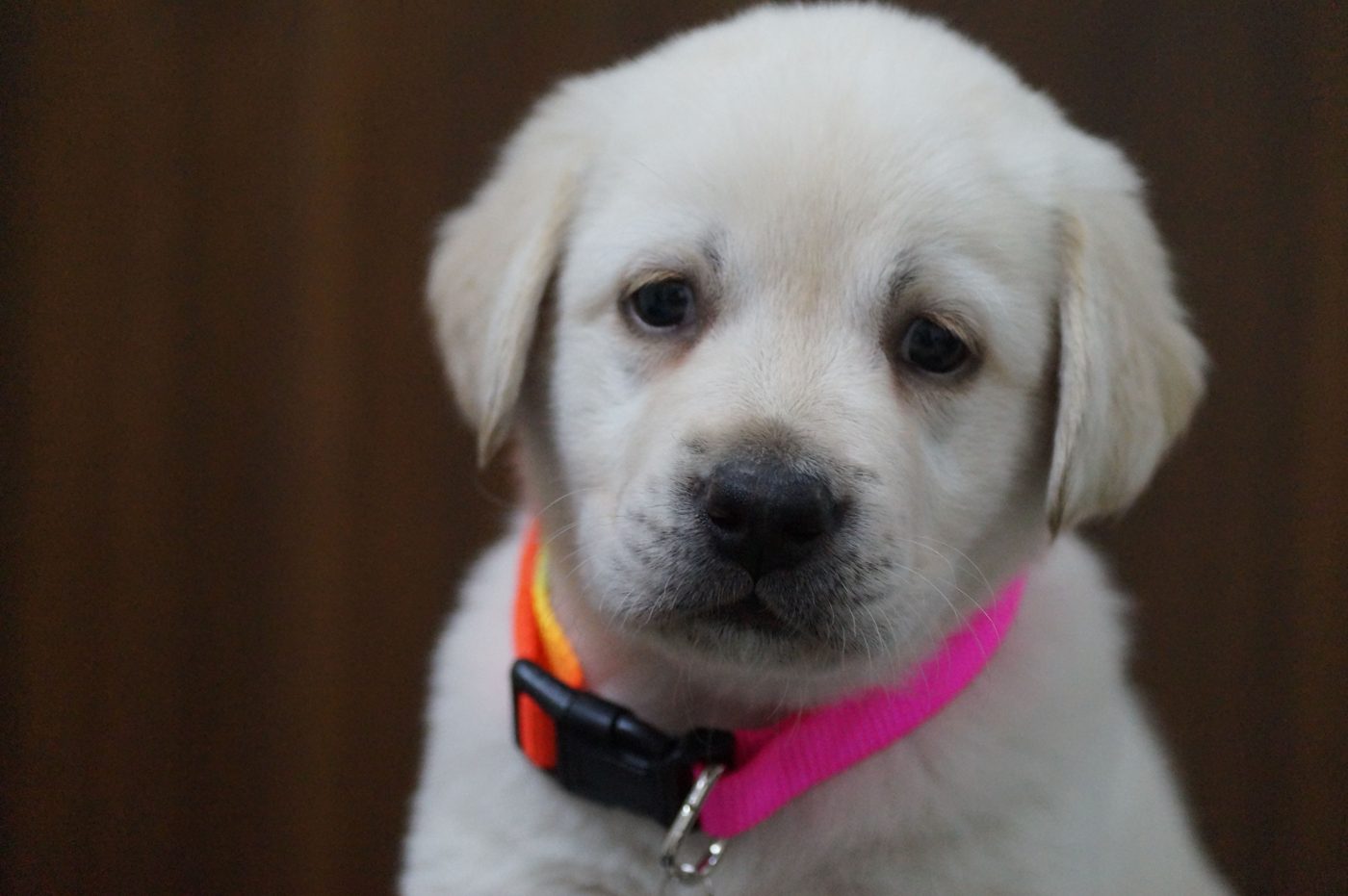
The Labrador Retriever stands proudly as Calgary's most beloved dog breed.
Over 10,600 registered Labs call our city home.
These friendly, energetic companions are perfectly suited to Calgary's outdoor lifestyle.
They thrive in our expansive off-leash parks and enjoy year-round activities from winter snow play to summer river swims.
📚 Table of Contents
- Understanding the Labrador Retriever Breed
- Temperament and Personality
- Exercise and Activity Requirements
- Best Calgary Dog Parks for Labrador Retrievers
- Health Considerations
- Grooming and Coat Care
- Nutrition and Feeding
- Training and Socialization
- Living with a Labrador Retriever in Calgary
- Is a Labrador Retriever Right for You?
- Finding a Labrador Retriever in Calgary
- Conclusion
Are you considering adding a Labrador Retriever to your family?
Perhaps you already share your home with one.
Understanding their unique characteristics and needs will help you provide the best possible care.
This comprehensive guide explores everything Calgary dog owners need to know.
From fascinating history to exercise requirements and the best local parks where your Lab can thrive, we cover it all.
🐕 Did You Know?
Labrador Retriever owners in Calgary's suburban communities like Tuscany, Cranston, and McKenzie Towne account for the highest concentration of Labs.
These neighbourhoods offer larger yards and quick access to excellent off-leash parks.
However, Labs thrive equally well in inner-city locations like Bridgeland and Inglewood.
Easy pathway access makes all the difference.
Understanding the Labrador Retriever Breed
The Labrador Retriever originated in Newfoundland, Canada, during the early 19th century.
They worked alongside fishermen hauling nets and retrieving ropes from the frigid North Atlantic waters.
Despite their name suggesting Labrador origins, these industrious dogs were originally called St. John's Water Dogs.
British sportsmen imported them to England in the 1830s.
Selective breeding refined the breed into the Labrador Retriever we recognize today.
The Canadian Kennel Club recognized the breed in 1903.
The American Kennel Club followed in 1917.
Today, the Labrador Retriever consistently ranks as one of the most popular dog breeds in North America.
They're beloved for their versatility, intelligence, and unwavering devotion to their families.
Physical Characteristics
Labrador Retrievers are medium to large dogs with a distinctive athletic build.
This build is designed for endurance and strength.
Males typically stand 22 to 24.5 inches (56-62 cm) at the shoulder.
They weigh between 65 to 80 pounds (29-36 kg).
Females are slightly smaller at 21 to 23.5 inches (53-60 cm) and 55 to 70 pounds (25-32 kg).
Their sturdy, muscular frame reflects their working heritage.
It makes them well-suited for active Calgary lifestyles.
Height
Males: 22-24.5 inches (56-62 cm)
Females: 21-23.5 inches (53-60 cm)
Weight
Males: 65-80 pounds (29-36 kg)
Females: 55-70 pounds (25-32 kg)
Lifespan
11-13 years with proper care
Coat Colours
Black, Yellow, Chocolate
One of the most recognizable features of the Labrador Retriever is their thick, distinctive "otter tail." This tail is broad at the base and tapers toward the tip.
It acts as a rudder when swimming.
Labs navigate through water with remarkable efficiency.
Their webbed feet further enhance their swimming abilities.
They're natural water dogs who excel in Calgary's river parks and lakes.
The Labrador Retriever's double coat consists of a short, dense, water-resistant outer layer.
A soft, insulating undercoat lies beneath.
This remarkable coat protects them from cold water and harsh weather conditions.
This makes them particularly well-adapted to Calgary's variable climate.
Labs shed moderately throughout the year.
Heavier shedding periods occur during spring and fall when they "blow" their coat.
Coat Colours and Genetics
Labrador Retrievers come in three officially recognized colours: black, yellow, and chocolate.
The yellow classification encompasses a wide range of shades.
These range from pale cream to rich fox red.
Chocolate Labs display coats ranging from light milk chocolate to deep, dark brown.
All three colours can appear in the same litter.
Coat colour is determined by the interaction of multiple genes.
Black was the original colour of the Labrador Retriever.
Yellow Labs were first documented in 1899.
Chocolate Labs emerged in the late 1800s.
Today, all three colours are equally popular among Calgary dog owners.
Each offers the same wonderful temperament and working ability that defines the breed.
🐕 Did You Know?
Yellow Labs are particularly popular in Calgary's Cranston and Auburn Bay communities.
Many families choose this colour for visibility during winter activities.
Black Labs dominate in Tuscany and Royal Oak, while chocolate Labs have a strong following throughout inner-city neighborhoods.
Coat colour preference varies, but every Labrador Retriever shares the same fantastic personality traits.
Temperament and Personality
The Labrador Retriever's temperament is perhaps their most endearing quality.
These dogs are renowned for their friendly, outgoing, and gentle nature.
This makes them good family companions.
Labs possess an innate eagerness to please.
This makes them highly trainable and responsive to positive reinforcement methods.
Key Personality Traits:
- Exceptionally friendly with people of all ages
- Patient and gentle with children
- Sociable with other dogs and pets
- Intelligent and eager to learn
- Playful and maintains puppy-like enthusiasm throughout life
- Loyal and devoted to family members
- Even-tempered and stable
Labrador Retrievers typically greet strangers with wagging tails and friendly enthusiasm.
They show little suspicion or aggression.
While this makes them wonderful companions and therapy dogs, they're not ideally suited for guard dog duties.
However, their size and bark can still serve as a deterrent.
They will alert you to unusual occurrences.
Labs are incredibly social dogs who thrive on human interaction and companionship.
They don't do well when left alone for extended periods.
They can develop separation anxiety or destructive behaviours if isolated.
The Labrador Retriever truly flourishes as an integral part of family life.
They participate in daily activities and outdoor adventures.
Intelligence and Trainability
The Labrador Retriever consistently ranks among the most intelligent dog breeds.
They show strong problem-solving abilities.
They show a strong capacity for learning.
This intelligence, combined with their desire to please, makes Labs highly trainable.
They excel in various roles including service work, search and rescue operations, therapy assistance, and competitive obedience.
Calgary Lab owners will find that positive reinforcement training methods work exceptionally well.
Labs respond enthusiastically to treats, praise, and play rewards.
Training sessions become enjoyable for both dog and handler.
Early socialization and puppy training classes are strongly recommended.
These channel their energy and enthusiasm into appropriate behaviours.
Exercise and Activity Requirements
The Labrador Retriever is a high-energy breed.
They require substantial daily exercise to maintain physical health and mental wellbeing.
Originally bred as working dogs, Labs possess seemingly boundless stamina and enthusiasm for activity.
Calgary's extensive network of over 95 off-leash dog parks provides ideal environments.
These meet the exercise needs perfectly.
Daily Exercise Needs
Adult Labrador Retrievers require a minimum of 60 to 90 minutes of vigorous exercise daily.
Many Labs can happily engage in activity for several hours.
This exercise should include a combination of physical activities and mental stimulation.
This keeps your Lab satisfied and well-behaved.
Without adequate exercise, Labrador Retrievers may develop problematic behaviours.
These include excessive barking, destructive chewing, digging, and hyperactivity.
A tired Lab is a happy, well-behaved Lab.
Calgary's outdoor recreational opportunities make it relatively easy to provide the activity levels this breed requires.
Ideal Activities for Labs in Calgary
The Labrador Retriever excels at numerous activities.
These take advantage of Calgary's natural beauty and recreational facilities:
- Swimming and Water Retrieval: Labs are natural swimmers who absolutely love water. Calgary's river parks with Bow River access give Labs regular chances to swim. Sue Higgins Park and Edworthy Park offer excellent swimming during warmer months.
- Fetch and Retrieval Games: True to their name, Labrador Retrievers live for retrieving activities. Whether it's balls, frisbees, or bumpers, Labs will enthusiastically chase and return items for hours.
- Hiking and Trail Walking: Calgary's extensive pathway system and nearby mountain trails offer excellent hiking opportunities. Labs make wonderful hiking companions who are eager to explore new terrain.
- Off-Leash Running: Spacious parks like Nose Hill Park provide vast areas. Labs can run freely, burn energy, and socialize with other dogs.
- Winter Activities: Labrador Retrievers love snow and cold weather. Winter walks, snow play, and even activities like skijoring suit Calgary's winter months.
- Agility and Training: Many Calgary dog parks feature agility equipment. Labs excel at these mentally and physically challenging activities.
Best Calgary Dog Parks for Labrador Retrievers
Calgary's network of off-leash dog parks gives Labrador Retrievers plenty of room to run.
They can exercise, socialize, and explore.
With over 1,145 hectares of off-leash space distributed across 140+ parks, Calgary ranks among North America's most dog-friendly cities.
Here are the top parks particularly suited for Labs:
Sue Higgins Park
Sue Higgins Park is Calgary's largest fenced park and a top pick for Labrador Retrievers.
This 62-hectare fully fenced park along the Bow River offers everything a Lab could desire.
Multiple river access points with both shallow and deep water areas cater to Labs' love of swimming.
Extensive open fields provide space for running and retrieval games.
The park features walking trails, picnic tables, and shaded areas.
This suits entire afternoons with your Labrador Retriever.
Location: Southland Drive SE & Deerfoot Trail SE, Calgary
Best For: Swimming, running, socializing, and all-day adventures
Features: Fully fenced, river access, agility equipment, small dog areas
Nose Hill Park
As one of North America's largest urban parks, Nose Hill Park offers vast native grasslands.
Labrador Retrievers can run freely across expansive terrain.
Approximately one-third of the park is designated for off-leash activities.
This provides Labs with seemingly endless space to explore.
The varied topography, numerous hiking trails, and panoramic views make this a favourite.
Calgary Lab owners enjoy longer walks and nature immersion.
Location: Northwest Calgary (Multiple access points)
Best For: Long runs, hiking, and experiencing natural prairie landscapes
Features: 60km of trails, prairie grasslands, panoramic views
Bowmont Park
Bowmont Park's diverse landscape includes grasslands, valleys, forested areas, and the Bow River.
This makes it an ideal location for adventurous Labrador Retrievers.
The park offers both off-leash zones and scenic hiking trails.
Plus river access for water-loving Labs.
The varied terrain provides mental stimulation alongside physical exercise.
This keeps Labs engaged and satisfied.
Location: Northwest Calgary along the Bow River
Best For: Varied terrain exploration, hiking, and river activities
Features: Douglas Fir trails, diverse ecosystems, river access
River Park
River Park's 21 hectares of varied terrain provide excellent space for Labrador Retrievers to run and play.
The park features a dog-friendly water fountain at its centre.
This ensures Labs stay hydrated during active play.
Located on the ridge above Sandy Beach, River Park offers Elbow River views.
It has maintained off-leash status since 1987.
This makes it a well-established favourite among Calgary's dog community.
Location: Southwest Calgary near Sandy Beach
Best For: Community socializing, fetch games, and accessible city location
Features: Water fountain, varied terrain, skyline views
Edworthy Park
Situated in a valley along the Bow River, Edworthy Park is a year-round option for Labrador Retrievers.
The large dedicated off-leash area, combined with walking trails and river proximity, makes this park excellent.
Labs enjoy both running and swimming.
The valley setting offers some protection from wind.
This makes it comfortable even during Calgary's colder months.
Location: Southwest Calgary at 5427-5539 Edworthy St SW
Best For: Year-round activities, swimming, and sheltered valley walks
Features: Ancient Douglas Fir trees, riverside paths, wooded areas
Indoor Dog Parks for Extreme Cold Weather
When Calgary's winter temperatures drop to extreme lows (-25°C or colder), many Labrador Retriever owners turn to indoor dog parks.
While Labs are cold-weather enthusiasts who typically love snow and winter activities, even these hardy dogs benefit from climate-controlled play spaces during the harshest conditions.
Calgary's indoor dog parks offer several advantages during extreme cold snaps:
- Climate-Controlled Comfort: Maintain your Lab's exercise routine regardless of outdoor temperatures or wind chill factors.
- Safe Surface Conditions: No ice, snow, or salt that can damage paw pads or cause slipping injuries.
- Consistent Socialization: Your Lab can continue meeting other dogs and burning energy even when outdoor parks are unsafe.
- Ideal for Senior Labs: Older Labrador Retrievers with arthritis or joint issues particularly benefit from warm indoor environments.
- Extended Play Sessions: Without battling cold temperatures, Labs can play longer and more comfortably.
When to Choose Indoor Parks
Consider indoor dog park facilities when:
- Temperatures drop below -25°C with wind chill
- Ice storms create hazardous walking conditions
- Your Lab shows signs of cold discomfort (lifting paws, shivering, reluctance to walk)
- You have a senior Lab or one recovering from injury
- Time is limited and you need guaranteed exercise space
Most Calgary Lab owners use indoor facilities as a supplement rather than replacement for outdoor adventures.
The typical pattern involves regular outdoor park visits during reasonable winter weather, with indoor facilities reserved for extreme cold days.
Many facilities offer memberships or punch cards, making them cost-effective for occasional use during Calgary's coldest weeks.
More Great Parks for Labs
Calgary offers many additional excellent parks for Labrador Retrievers:
- Fish Creek Provincial Park: Canada's second-largest urban park with 100km of trails and designated off-leash areas throughout.
- Rotary Park: Historic hillside park with downtown views and off-leash areas.
- Bridgeland Riverside Off-Leash Area: Inner-city option for downtown Lab owners.
- Coach Hill Off-Leash Dog Park: Southwest neighbourhood gem with Rocky Mountain views.
- Martindale Off-Leash Area: Northeast community favourite with secure fencing.
- Ramsay Off-Leash Area: Historic inner-city park near Scotsman's Hill with skyline views.
🐕 Did You Know?
According to local Lab owners, the most popular parks vary by neighbourhood.
Tuscany residents favour Nose Hill Park for its proximity.
McKenzie Towne and Cranston Labs frequent Fish Creek Provincial Park.
Auburn Bay Lab owners make the trek to Sue Higgins Park specifically for the fenced areas and river access.
Calgary Off-Leash Park Tips for Lab Owners
- Bring water and a collapsible bowl, especially during summer months
- Pack waste bags and always clean up after your Labrador Retriever
- Carry towels if visiting parks with river access
- Consider a GPS tracker collar for added security in large, unfenced parks
- Visit during off-peak hours if your Lab is still learning recall commands
- Bring favourite toys for retrieval games
- Check park conditions through the City of Calgary website
- Download the complete Calgary dog parks guide for detailed information on all 140+ parks
Health Considerations
Labrador Retrievers are generally healthy dogs.
They have an average lifespan of 11 to 13 years.
However, like all breeds, Labs are predisposed to certain health conditions.
Calgary owners should understand and monitor these.
Regular veterinary care, proper nutrition, and maintaining a healthy weight are crucial.
These maximize your Lab's longevity and quality of life.
Common Health Issues
Hip and Elbow Dysplasia: These inherited orthopaedic conditions occur when joints develop abnormally.
This potentially leads to arthritis and mobility issues.
Reputable breeders screen their breeding stock for dysplasia.
Maintaining a healthy weight throughout your Lab's life helps reduce stress on joints.
Progressive Retinal Atrophy (PRA): This inherited eye condition gradually leads to vision loss.
Responsible breeders test for PRA genes.
Affected dogs can adapt well to vision loss with appropriate management.
Exercise-Induced Collapse (EIC): This genetic condition causes episodes of muscle weakness and collapse.
These follow intense exercise.
DNA testing can identify carriers.
Affected Labs can live normal lives with exercise modifications.
Obesity: Labrador Retrievers have a genetic predisposition to obesity.
A mutation in the POMC gene regulates hunger.
Many Labs lack the ability to feel fully satisfied after eating.
This makes weight management crucial.
Calgary's active lifestyle helps, but portion control and avoiding overfeeding remain essential.
Ear Infections: Labs' floppy ears and love of swimming can lead to ear infections.
Regular ear cleaning helps prevent infections.
This is especially important after water activities in Calgary's rivers and lakes.
Preventive Health Care
Proactive health care significantly impacts your Labrador Retriever's wellbeing:
- Schedule annual veterinary examinations
- Consider semi-annual checkups for senior Labs
- Maintain current vaccinations appropriate for Calgary's environment
- Provide year-round parasite prevention (fleas, ticks, heartworm)
- Keep dental health a priority with regular teeth cleaning
- Monitor weight closely and adjust feeding based on activity level
- Consider pet insurance to help manage unexpected health costs
Grooming and Coat Care
Despite their short coat, Labrador Retrievers require regular grooming.
This maintains coat health and manages shedding.
Labs shed moderately year-round.
More intensive shedding periods occur during spring and fall.
This is when they transition between seasonal coats.
Calgary's climate variations mean Labs develop thick undercoats in winter.
These shed heavily when warmer weather arrives.
Grooming Schedule
Brushing: Brush your Labrador Retriever at least once or twice weekly.
Use a slicker brush or deshedding tool.
During peak shedding seasons (spring and fall), daily brushing helps.
This manages loose fur and keeps your home cleaner.
Bathing: Labs typically need bathing every four to six weeks.
This varies based on activity level.
Calgary Labs who swim regularly in rivers or roll in prairie grass may require more frequent baths.
Use a quality dog shampoo that won't strip the coat's natural oils.
Nail Trimming: Trim nails every three to four weeks.
Do this more frequently if you hear clicking on hard floors.
Regular Calgary dog park visits on varied terrain naturally helps wear down nails.
Most Labs still need periodic trimming.
Ear Cleaning: Check and clean ears weekly.
This is especially important for Labs who swim frequently in Calgary's river parks.
Use a veterinary-recommended ear cleaner.
Watch for signs of infection including odour, redness, or excessive head shaking.
Teeth Brushing: Brush teeth several times weekly.
Ideally daily.
This prevents dental disease and maintains overall health.
Nutrition and Feeding
Proper nutrition is fundamental to your Labrador Retriever's health.
It affects energy levels and longevity.
Labs are active, muscular dogs.
They require high-quality nutrition to support their activity levels.
This is particularly true given Calgary's outdoor lifestyle.
However, their genetic predisposition to overeating and obesity means careful portion control is essential.
Feeding Guidelines
Adult Labrador Retrievers typically require 1,500 to 2,000 calories daily.
Individual needs vary based on age, weight, activity level, and metabolism.
A highly active Calgary Lab who swims and runs extensively at off-leash parks may need additional calories.
Less active dogs require fewer calories to maintain healthy weight.
Choose high-quality dog food formulated for large breeds.
Preferably with real meat as the primary ingredient.
Look for foods that provide balanced nutrition.
This includes proteins, healthy fats, complex carbohydrates, vitamins, and minerals.
Many Calgary veterinarians can recommend specific brands.
These are suitable for Labs at different life stages.
Feeding Schedule
Feed adult Labrador Retrievers twice daily rather than once daily.
This helps maintain consistent energy levels.
It reduces begging behaviour.
It also decreases the risk of bloat (gastric dilatation-volvulus).
This is a serious condition that can affect large, deep-chested breeds.
Puppies require more frequent feeding.
Three to four times daily until six months old.
Then transition to twice daily feeding.
Use large-breed puppy food formulated to support controlled growth rates.
This helps reduce the risk of developmental orthopaedic problems.
Weight Management Tips for Calgary Labs
- Measure food portions accurately using a measuring cup
- Account for treats and training rewards in daily caloric intake
- Establish regular feeding times and avoid free-feeding
- Use interactive feeding toys to slow eating pace
- Monitor body condition regularly
- You should be able to feel ribs with light pressure
- Adjust portions based on activity level and seasonal changes
- Consult your veterinarian if your Lab gains or loses weight unexpectedly
Training and Socialization
The Labrador Retriever's intelligence and eagerness to please make them exceptionally responsive to training.
However, their energy, strength, and enthusiasm mean early training and socialization are crucial.
These develop a well-mannered companion.
Calgary offers numerous resources.
These include training classes, dog clubs, and experienced trainers.
They can help you raise a well-behaved Lab.
Puppy Training Fundamentals
Begin training your Labrador Retriever puppy immediately upon bringing them home.
Labs are capable learners from an early age.
Establishing good habits early prevents problem behaviours from developing.
Focus on basic obedience commands.
These include sit, stay, come, down, and loose-leash walking.
Socialization during the critical period between 8 and 16 weeks is vital.
This is for raising a confident, well-adjusted Labrador Retriever.
Expose your puppy to various people, dogs, environments, sounds, and experiences.
Do this in positive, controlled ways.
Calgary's puppy socialization classes provide excellent structured environments.
These are for learning appropriate social skills.
Essential Training for Calgary Labs
Reliable Recall: Teaching your Lab to come when called is absolutely essential.
This is for safely enjoying Calgary's off-leash parks.
Practice recall extensively in controlled environments first.
Do this before trusting your Lab in large, open areas.
Use high-value rewards.
Make coming to you the best part of your Lab's day.
Leash Manners: Labrador Retrievers are strong dogs who can pull enthusiastically when excited.
Teach loose-leash walking early.
This makes walks enjoyable rather than exhausting.
This is particularly important for navigating Calgary's busy pathways and urban areas.
Impulse Control: Labs' enthusiasm can lead to jumping, rushing through doors, or grabbing food.
Training impulse control through exercises like "wait," "leave it," and "settle" creates a calmer, more manageable companion.
Water Safety: While Labs are natural swimmers, teach water safety commands first.
Do this before allowing off-leash swimming in Calgary's rivers.
Practice entering and exiting water calmly.
Establish reliable recall even when water is present.
🐕 Did You Know?
Calgary offers excellent Labrador Retriever training resources.
Many trainers offer specialized programs for water-loving breeds.
Check out Calgary's complete dog training guide for recommendations on programs suited to Labs.
Living with a Labrador Retriever in Calgary
The Labrador Retriever adapts well to Calgary's climate and lifestyle.
This makes them ideal companions for local families.
However, successful Lab ownership requires understanding their needs.
Make appropriate accommodations.
Housing Considerations
While Labrador Retrievers can adapt to apartment living with sufficient exercise, they thrive in homes with securely fenced yards.
Here they can play and burn energy.
If you live in an apartment or townhouse, proximity to Calgary's dog parks becomes even more important.
This provides adequate exercise opportunities.
Labs are indoor dogs who should live as part of the family.
They should not be relegated to outdoor-only life.
Their social nature means they suffer when isolated.
Calgary's temperature extremes make outdoor-only living inappropriate and potentially dangerous.
Climate Adaptation
Labrador Retrievers handle Calgary's climate remarkably well.
Their double coat provides excellent insulation during winter.
Labs typically love snow and cold weather.
Many Calgary Labs enthusiastically play in snow.
This makes winter an enjoyable season rather than a challenge.
During summer, Labs can be prone to overheating.
This is particularly true for black-coated dogs who absorb more heat.
Provide shade, fresh water, and avoid intense exercise during the hottest parts of summer days.
Early morning or evening visits to Calgary dog parks help prevent heat stress.
Seasonal Considerations for Calgary Labs
Winter (November-March): Labs typically love winter activities.
Protect paws from ice-melting chemicals with boots or paw balm.
Check for ice balls between paw pads after snowy walks.
Ensure your Lab stays dry and warm.
This is particularly important after swimming in cold water.
Spring (April-May): Heavy shedding season begins as Labs lose their winter coat.
Increase brushing frequency.
Be cautious of thin ice in rivers during early spring.
Watch for seasonal allergies as plants bloom.
Summer (June-August): Schedule activities during cooler morning or evening hours.
Always provide access to shade and water.
Calgary's river parks offer excellent cooling opportunities.
Watch for signs of overheating.
These include excessive panting and reluctance to continue activity.
Fall (September-October): Another heavy shedding period as Labs develop winter coats.
Excellent weather for extended outdoor activities.
Begin preparing winter gear and supplies.
Is a Labrador Retriever Right for You?
Before welcoming a Labrador Retriever into your Calgary home, honestly assess whether this breed matches your lifestyle and capabilities.
Labs are wonderful dogs.
However, they're not suitable for every situation.
Ideal Lab Owners
Labrador Retrievers thrive with owners who:
- Have time for daily exercise and outdoor activities
- Enjoy an active lifestyle including hiking, walking, or running
- Can provide consistent training and mental stimulation
- Are home regularly or can arrange doggy daycare during work hours
- Have patience for puppy energy and exuberance that lasts several years
- Can manage regular shedding and basic grooming needs
- Have financial resources for food, veterinary care, and supplies
- Want a social, friendly companion who enjoys meeting people and dogs
Challenges to Consider
Labrador Retrievers may not be ideal if you:
- Work long hours with no option for midday breaks or dog care
- Prefer a calm, low-energy companion
- Have limited tolerance for shedding and dog hair
- Live in a small space without nearby park access
- Want a guard dog who's suspicious of strangers
- Cannot commit to daily exercise regardless of weather
- Are unprepared for potential health costs and care requirements
Finding a Labrador Retriever in Calgary
When you've decided a Labrador Retriever is the right breed for your family, finding a healthy, well-bred dog is crucial.
Calgary offers several options for finding your new companion.
Reputable Breeders
Working with responsible breeders ensures you get a healthy Lab from health-tested parents.
Reputable breeders screen for genetic conditions.
These include hip dysplasia, elbow dysplasia, and eye problems.
They raise puppies in home environments with early socialization.
They provide lifetime support.
Expect to pay $1,500 to $3,000 for a well-bred Labrador Retriever puppy from health-tested parents.
Red flags include breeders who always have puppies available.
They won't let you visit their facility.
They can't provide health clearances.
They offer multiple breeds.
The Labrador Retriever Club of Canada provides breeder referrals.
They can help connect you with ethical breeders.
Rescue Organizations
Many wonderful Labrador Retrievers need homes through rescue organizations and shelters.
Calgary and area shelters including the Calgary Humane Society frequently have Labs or Lab mixes available for adoption.
Breed-specific rescues focus exclusively on Labrador Retrievers.
They can help match you with a dog suited to your lifestyle.
Adopting an adult Labrador Retriever offers several advantages.
You know the dog's adult size and temperament.
Potentially less intensive training than a puppy requires.
Giving a deserving dog a second chance.
Adoption fees typically range from $200 to $500.
These usually include spay/neuter, vaccinations, and initial veterinary care.
Conclusion
The Labrador Retriever has earned their position as Calgary's most popular dog breed.
Their wonderful temperament, versatility, and compatibility with our active, outdoor-focused lifestyle make them perfect.
These friendly, intelligent dogs bring joy, companionship, and adventure to thousands of Calgary families.
Whether swimming in the Bow River at Sue Higgins Park, running through the grasslands of Nose Hill Park, or simply enjoying a walk through your neighbourhood, a well-cared-for Labrador Retriever makes every outdoor experience more enjoyable.
Their enthusiasm for life, devotion to family, and adaptability to Calgary's climate create a nearly perfect match.
This suits our city's active lifestyle.
If you're prepared to provide the exercise, training, care, and companionship a Labrador Retriever needs, you'll be rewarded with one of the most loyal, loving, and entertaining companions imaginable.
Take advantage of Calgary's dog park system.
Embrace our beautiful outdoor spaces.
Enjoy the incredible journey of sharing your life with a Labrador Retriever.
Visit our complete Calgary dog parks directory to find locations to enjoy with your Lab.
Join Calgary's vibrant community of Labrador Retriever owners.
They understand why this remarkable breed has captured so many hearts in our city.