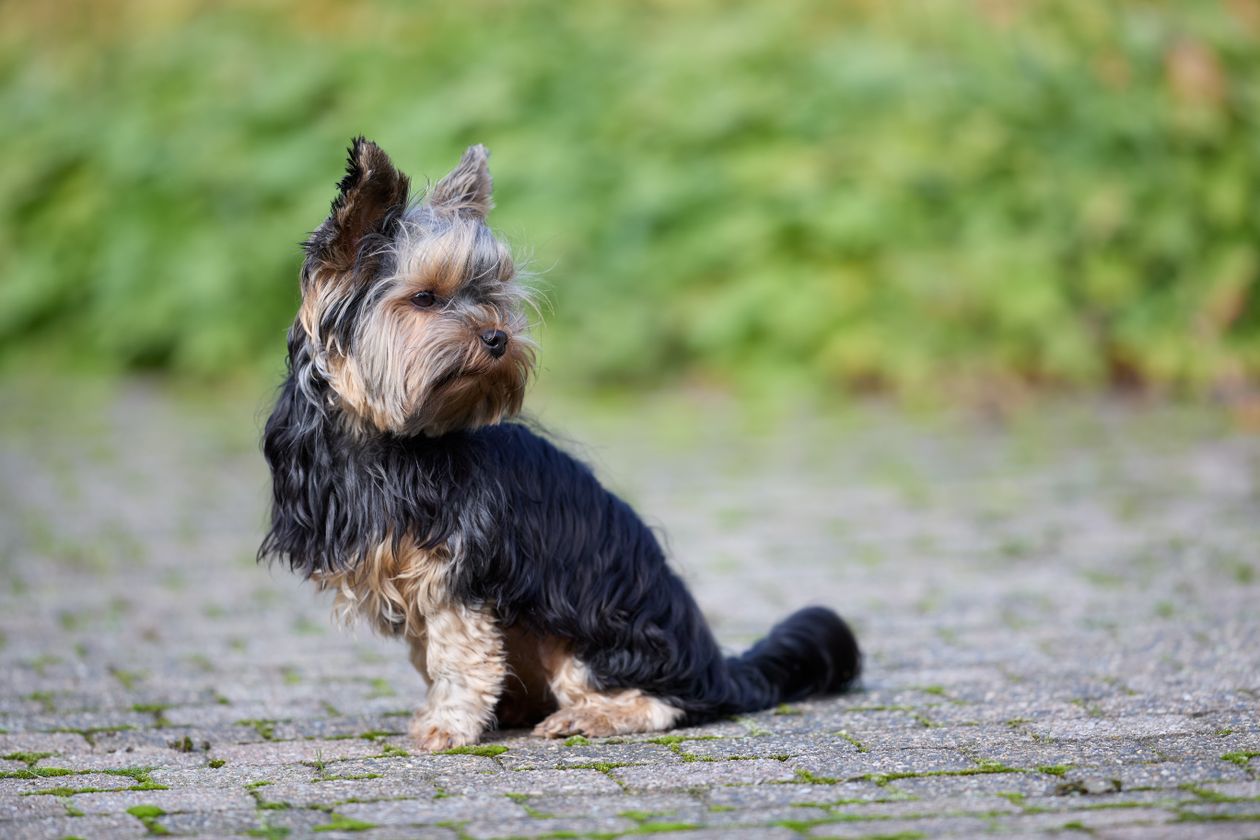
If you're searching for a small dog with big personality that thrives in Calgary's urban lifestyle, the Yorkshire Terrier might be your perfect match. These pint-sized companions pack incredible charm, intelligence, and adaptability into their compact frames, making them ideal for city living while still enjoying our beautiful Calgary dog parks.
📚 Table of Contents
- Yorkshire Terrier Breed Overview
- History and Origin
- Physical Characteristics
- Temperament and Personality
- Yorkshire Terriers in Calgary's Lifestyle
- Best Calgary Dog Parks for Yorkshire Terriers
- Health and Veterinary Care
- Grooming and Maintenance
- Nutrition and Feeding
- Training and Socialization
- Finding Your Yorkshire Terrier in Calgary
- Conclusion
Yorkshire Terrier Breed Overview
The Yorkshire Terrier stands as one of the most popular toy breeds in Canada. Originally bred in Yorkshire, England, during the mid-1800s, these dogs have evolved from scrappy ratters to beloved companions. Their elegant appearance and confident demeanor belie their small size.
Weighing just 4 to 7 pounds and standing 7 to 8 inches tall, Yorkshire Terriers perfectly suit Calgary's urban environment. Their compact size makes them ideal for apartment living, condo residences, and smaller homes throughout our city. Despite their diminutive stature, these dogs possess bold personalities and surprising athleticism.
The breed's popularity in Calgary continues growing. You'll spot Yorkshire Terriers at local dog parks, cafes with patios, and along the Bow River pathway. Their adaptability to city life and moderate exercise needs make them practical choices for busy Calgary professionals and families alike.
History and Origin
Yorkshire Terriers emerged in Yorkshire and Lancashire during England's Industrial Revolution. Scottish workers migrating to these regions brought various terrier breeds. These dogs were crossed to create efficient ratters for textile mills and coal mines.
The breed's silky coat developed through selective breeding. Early Yorkies were considerably larger than modern examples. Breeders gradually reduced their size while maintaining their feisty terrier spirit. By the late 1800s, the breed had become fashionable among Victorian ladies.
The Canadian Kennel Club recognized Yorkshire Terriers in the early 1900s. The breed quickly gained popularity across Canada, including Calgary. Today, they rank among the most registered toy breeds in our country. Their transformation from working dogs to pampered companions showcases remarkable adaptability.
Physical Characteristics
Yorkshire Terriers possess distinctive physical features. Their most striking characteristic is their luxurious coat. The breed standard calls for steel blue and tan coloring. The blue extends from the back of the skull to the tail tip. Rich tan markings appear on the head, chest, and legs.
The coat texture feels silky and fine. It grows continuously, similar to human hair. This unique quality makes Yorkshire Terriers suitable for some allergy sufferers. However, they still produce dander. No dog breed is truly hypoallergenic.
Many Calgary Yorkshire Terrier owners choose practical short cuts. The traditional show coat requires extensive maintenance. Shorter styles called "puppy cuts" make grooming more manageable. These trims suit our active Calgary lifestyle better than floor-length coats.
Their compact build features a small, flat skull and medium-length muzzle. Dark, sparkling eyes convey intelligence and mischief. Small, V-shaped ears stand erect. The body appears well-proportioned despite their tiny size. Their high tail carriage adds to their confident appearance.
Temperament and Personality
Yorkshire Terriers display personalities far larger than their physical size suggests. Confident, bold, and sometimes bossy, these dogs don't realize they're small. This fearless attitude traces back to their terrier heritage. They approach life with enthusiasm and determination.
Affectionate and loyal, Yorkshire Terriers form strong bonds with their families. They thrive on human companionship and often follow their owners throughout the home. Many Calgary Yorkie owners report their dogs exhibit velcro-like tendencies. This attachment makes them excellent companions for people working from home.
Despite their loving nature, Yorkshire Terriers can be independent thinkers. They possess typical terrier stubbornness. Training requires patience and consistency. However, their intelligence means they learn quickly when properly motivated. Positive reinforcement methods work exceptionally well.
Yorkies tend toward wariness with strangers. This trait makes them effective watchdogs. Despite their size, they alert owners to visitors and unusual sounds. Their bark can be surprisingly loud. Early socialization helps prevent excessive barking and fearfulness.
Intelligence and Trainability
Yorkshire Terriers rank highly in intelligence among toy breeds. They excel at learning commands and tricks. Their eagerness to please, combined with their smarts, facilitates training. Many Calgary Yorkies participate in obedience classes and even agility competitions.
However, their independent streak requires consistent training approaches. They respond poorly to harsh corrections. Positive reinforcement using treats, praise, and play achieves better results. Short, engaging training sessions maintain their interest better than lengthy drills.
House training sometimes challenges Yorkshire Terrier owners. Their small bladders require frequent outdoor access. Calgary's harsh winters complicate matters further. Many owners successfully use indoor potty options during extreme weather. Consistency and patience eventually succeed with most Yorkies.
Family Compatibility
Yorkshire Terriers adapt well to various household compositions. They suit singles, couples, and families with older children. Their small size makes them fragile around young children. Toddlers may accidentally injure these delicate dogs during rough play.
They generally coexist peacefully with other pets when properly socialized. Some Yorkies display bossy behavior toward larger dogs. Early exposure to different animals prevents aggressive tendencies. Many Calgary households successfully keep Yorkshire Terriers alongside Shih Tzus, cats, and even small pets.
Their adaptability makes them suitable for various living situations. Seniors appreciate their manageable size and affectionate nature. Young professionals value their apartment-friendly characteristics. Families enjoy their playful personalities and devotion.
Yorkshire Terriers in Calgary's Lifestyle
Calgary's urban environment suits Yorkshire Terriers remarkably well. Our city offers numerous amenities perfect for small dog owners. From designated small dog areas to pet-friendly establishments, Calgary welcomes these tiny companions.
Perfect for Apartment Living
Yorkshire Terriers excel in apartment and condo living. Their small size requires minimal space. They don't need large yards for exercise. Short indoor play sessions and brief outdoor walks meet their physical needs. This makes them ideal for Calgary's high-rise downtown buildings and Beltline condos.
Their moderate energy levels suit apartment life. Unlike high-energy breeds such as Border Collies, Yorkies don't require hours of vigorous exercise. A few 15 to 20-minute walks daily, combined with playtime, keeps them satisfied. Indoor activities help supplement exercise during extreme weather.
Noise considerations matter in apartment settings. While Yorkies can be vocal, proper training minimizes excessive barking. Teaching "quiet" commands early prevents disturbing neighbors. Many Calgary apartment-dwelling Yorkie owners successfully manage their dogs' barking tendencies.
Winter Care and Adaptations
Calgary's harsh winters require special considerations for Yorkshire Terriers. Their small size and fine coat provide minimal insulation against cold. Temperatures below -10°C demand protective clothing. Sweaters, coats, and even booties become necessities rather than fashion statements.
Ice melt and road salt irritate their delicate paws. Booties protect against chemical burns and cuts from ice. After winter walks, rinse paws with warm water. Check between toes for ice balls that form in their leg furnishings.
Shorter winter walks suit most Yorkshire Terriers. They tire quickly in deep snow. Their short legs struggle through drifts. Many Calgary owners supplement outdoor time with indoor play during severe weather. Interactive toys, hide-and-seek games, and training sessions provide mental stimulation.
Indoor potty options help during extreme cold snaps. Pee pad training or indoor grass patches offer alternatives when temperatures plummet below -25°C. This flexibility makes Yorkshire Terriers practical for Calgary's unpredictable winter climate.
Did You Know?
Many Calgary Yorkshire Terrier owners living in inner-city neighborhoods like Kensington, Inglewood, and Mission prefer shorter grooming styles during winter months. The practical "puppy cut" prevents snow and ice from matting in their coats, making post-walk cleanup much easier. Local grooming salons report a 70% increase in short-cut requests between November and March.
Exercise Requirements
Yorkshire Terriers need moderate daily exercise. Two or three short walks totaling 30 to 45 minutes generally suffice. They enjoy exploring Calgary's pathways along the Bow and Elbow Rivers. Their small legs cover less ground than larger breeds, making neighborhood strolls perfect.
Mental stimulation matters as much as physical exercise. Puzzle toys challenge their intelligence. Hide-and-seek games engage their hunting instincts. Training sessions provide both mental and physical activity. A well-exercised Yorkie becomes a content companion.
Playtime strengthens the human-dog bond. Interactive toys like small balls or tug ropes suit their size. Many Calgary Yorkies enjoy fetch games in backyards or hallways. Their terrier heritage means they often possess strong prey drives. Squirrel watching through windows provides entertainment.
Best Calgary Dog Parks for Yorkshire Terriers
Calgary's extensive off-leash park system welcomes Yorkshire Terriers. With over 95 designated off-leash areas, our city provides numerous options. However, some parks suit small dogs better than others. Safety considerations guide park selection for toy breeds.
Small Dog Designated Areas
Several Calgary parks feature separated small dog sections. These areas protect tiny dogs from rough play with larger breeds. Fenced enclosures provide extra security for off-leash enjoyment.
The University of Calgary Small Dog Park offers excellent facilities. Opened in 2018, this fenced area includes separate sections for large and small dogs. The small dog area remains exceptionally clean. Located on campus, it provides convenient access for northwest residents. Many Varsity and Arbour Lake Yorkshire Terrier owners frequent this park.
River Park features multiple fenced sections designated for single-use. While not exclusively for small dogs, these areas allow safe, private playtime. Located near Southland Drive and Deerfoot Trail, it serves southeast Calgary communities. The ridge-top location offers stunning Elbow River views.
Sue Higgins Park provides Calgary's largest fenced off-leash area. While it accommodates all dog sizes, early morning visits typically attract smaller dog owners. The spacious enclosure lets Yorkies run freely without worrying about aggressive larger dogs. Located in south Calgary, it draws visitors from Acadia, Maple Ridge, and surrounding neighborhoods.
Inner City Park Options
Downtown and inner-city Calgary offers several Yorkshire Terrier-friendly parks. These locations provide convenient access for urban residents.
East Village Dog Park features artificial turf and compact design. Located beside the children's playground, it offers easy access for Beltline and downtown residents. The small size suits Yorkshire Terriers perfectly. Waste stations and seating make visits comfortable.
Connaught Off-Leash Park provides a compact downtown option. This urban park serves residents in the Beltline, Cliff Bungalow, and Mission areas. Quick visits during lunch breaks or evening walks suit busy schedules. The central location attracts social dog owners.
McHugh Bluff offers stunning city skyline views along with off-leash areas. Located near Hillhurst and Sunnyside, it attracts inner-city dog owners. The walking trails suit Yorkshire Terriers' exercise needs. Elevated position provides panoramic vistas of downtown and the Bow River.
Suburban Favorites
Calgary's suburban communities offer additional off-leash park options. These locations typically provide more space and natural settings.
Auburn Bay Dog Park serves southeast Calgary residents. This unfenced area features a 1.5-mile loop trail. Yorkshire Terriers with good recall enjoy exploring the grassland. The newer community attracts many young families with small dogs. Mahogany residents also frequent this location.
Edworthy Park provides riverside trails and mixed terrain. Located in southwest Calgary, it serves Wildwood, Spruce Cliff, and surrounding areas. The valley setting along the Bow River offers scenic walking paths. Designated off-leash sections accommodate various dog sizes. Morning visits typically attract responsible small dog owners.
Tom Campbell's Hill Natural Park features interpretive exhibits and city skyline views. Located in northeast Calgary, it overlooks Memorial Drive and the Bow River. The historic grassland ecosystem provides interesting exploration. While unfenced, the area attracts conscientious dog owners. Bridgeland and Renfrew residents appreciate its proximity.
Nose Hill Park represents one of North America's largest urban parks. Approximately one-third allows off-leash activity. The vast native grasslands provide ample space for exploration. However, Yorkshire Terrier owners should note the paved pathways require leashing. Wildlife sightings, including coyotes, demand vigilance. Choose less remote sections for safety.
Did You Know?
Yorkshire Terrier owners in Calgary's established neighborhoods like Mount Royal, Elbow Park, and Altadore typically prefer River Park and nearby Elbow River pathway systems. These locations offer shorter, more frequent visits compared to large natural parks. The proximity allows for quick morning and evening outings without lengthy drives. Local dog walking groups organize regular meetups specifically for small breeds at these convenient locations.
Health and Veterinary Care
Yorkshire Terriers generally enjoy good health with proper care. Their average lifespan ranges from 12 to 15 years. Some live well into their late teens. Regular veterinary care maximizes their health and longevity.
Common Health Concerns
Like all breeds, Yorkshire Terriers face certain health predispositions. Awareness helps owners identify problems early. Reputable breeders test for genetic conditions before breeding.
Dental problems commonly affect toy breeds. Their small mouths crowd teeth together. This promotes plaque buildup and periodontal disease. Regular dental care prevents serious issues. Professional cleanings, home brushing, and dental chews maintain oral health.
Patellar luxation affects many small breeds including Yorkshire Terriers. This condition involves kneecap displacement. Symptoms include intermittent lameness and skipping gaits. Severe cases may require surgical correction. Maintaining healthy weight reduces stress on joints.
Tracheal collapse occurs in some toy breeds. The windpipe cartilage weakens, causing breathing difficulties. Using harnesses instead of collars prevents tracheal damage. Weight management helps minimize symptoms. Some cases require medical or surgical intervention.
Hypoglycemia affects young and small Yorkshire Terriers. Low blood sugar causes weakness, trembling, and seizures. Frequent small meals prevent blood sugar crashes. Always keep corn syrup or honey available for emergencies. Most puppies outgrow this tendency.
Portosystemic shunt represents a serious congenital condition. Abnormal blood vessels bypass the liver. Symptoms include stunted growth, neurological signs, and digestive issues. Diagnosis requires blood tests and imaging. Surgery often corrects the problem successfully.
Preventive Care
Regular veterinary visits maintain Yorkshire Terrier health. Annual examinations detect problems early. Senior dogs benefit from semi-annual checkups. Calgary offers numerous excellent veterinary clinics experienced with toy breeds.
Vaccinations protect against serious diseases. Core vaccines include rabies, distemper, parvovirus, and adenovirus. Calgary's regulations require current rabies vaccination. Your veterinarian recommends appropriate vaccination schedules.
Parasite prevention remains crucial in Calgary. Fleas, ticks, and intestinal parasites affect local dogs. Year-round prevention programs protect your Yorkshire Terrier. Monthly medications address multiple parasites simultaneously. Heartworm prevention is recommended despite Calgary's climate.
Spaying or neutering provides health benefits. These procedures reduce cancer risks and prevent unwanted litters. Most veterinarians recommend surgery between six and twelve months. Early consultation helps determine optimal timing.
Grooming and Maintenance
Yorkshire Terriers require significant grooming commitment. Their continuously growing coat demands regular attention. However, grooming frequency depends on coat style.
Show coats require daily brushing and extensive care. Few pet owners maintain this demanding style. Professional grooming every four to six weeks keeps show coats manageable. Shorter "puppy cuts" drastically reduce maintenance requirements.
Most Calgary Yorkshire Terrier owners choose practical short cuts. These styles require brushing two or three times weekly. Professional grooming every six to eight weeks maintains the cut. Shorter coats suit our active lifestyle and variable climate better.
Regular bathing keeps coats clean and healthy. Monthly baths using gentle dog shampoo work well. More frequent bathing suits active dogs or those with skin issues. Always use dog-specific products. Human shampoos disrupt skin pH balance.
Ear cleaning prevents infections. Check ears weekly for redness, odor, or discharge. Clean with veterinarian-approved solutions. Yorkshire Terriers' erect ears promote air circulation. This reduces infection risk compared to floppy-eared breeds.
Nail trimming maintains paw health. Most Yorkies require monthly nail trims. Overgrown nails cause discomfort and gait problems. Many Calgary groomers include nail trims with regular appointments. Learning home nail care saves money and stress.
Dental care prevents serious health issues. Daily tooth brushing represents the gold standard. Dog-specific toothpaste and soft brushes work best. Dental chews and water additives supplement brushing. Professional cleanings remove tartar buildup.
Eye care involves gentle cleaning around the eyes. Tear staining sometimes affects light-colored Yorkies. Daily wiping with damp cloths minimizes staining. Special products address stubborn stains. Excessive tearing warrants veterinary examination.
Nutrition and Feeding
Proper nutrition supports Yorkshire Terrier health and longevity. Their small size demands careful portion control. Obesity creates serious health problems in toy breeds.
High-quality commercial dog food meets most nutritional needs. Choose formulas designed for small breeds. These foods feature smaller kibble sizes and appropriate calorie densities. Toy breed formulas often include joint support ingredients.
Adult Yorkshire Terriers typically eat 1/4 to 1/2 cup of food daily. Divide this into two or three small meals. Frequent feeding prevents hypoglycemia in susceptible individuals. Follow food packaging guidelines and adjust based on body condition.
Puppies require more frequent feeding. Three to four small meals daily support their growth and energy needs. Gradually transition to adult feeding schedules around six months. Consult your veterinarian about specific puppy nutrition.
Treat calories count toward daily intake. Limit treats to 10% of total calories. Many commercial treats contain excessive calories. Small pieces of lean meat, vegetables, or fruits make healthy alternatives. Avoid toxic foods including chocolate, grapes, onions, and xylitol.
Fresh water must always be available. Small dogs dehydrate quickly. Check water bowls multiple times daily. Calgary's dry climate increases water needs. Clean bowls daily to prevent bacterial growth.
Some Yorkshire Terriers benefit from joint supplements. Glucosamine and chondroitin support joint health. Omega-3 fatty acids promote coat condition and reduce inflammation. Discuss supplements with your veterinarian before starting them.
Training and Socialization
Early training and socialization create well-adjusted Yorkshire Terriers. These intelligent dogs learn quickly when properly motivated. Consistency and positive reinforcement achieve best results.
Puppy kindergarten classes provide excellent socialization opportunities. Calgary offers numerous training facilities with small breed classes. Group classes teach basic obedience while exposing puppies to various people, dogs, and situations. Socialization between 8 and 16 weeks proves critical.
Basic commands form training foundations. "Sit," "stay," "come," "down," and "leave it" provide essential control. Yorkshire Terriers excel at learning tricks. Teaching new skills provides mental stimulation and strengthens bonds. Their intelligence allows advanced training including agility and rally obedience.
House training requires patience and consistency. Establish regular potty schedules. Take puppies outside frequently, especially after meals, naps, and play. Reward successful outdoor elimination immediately. Accidents happen during training. Never punish mistakes. Clean soiled areas thoroughly to prevent repeat incidents.
Crate training benefits Yorkshire Terriers and owners. Dogs naturally avoid soiling sleeping areas. Proper crate training creates safe spaces for confinement. Never use crates as punishment. Make them comfortable with bedding and toys. Gradually increase crate time to prevent anxiety.
Leash training teaches proper walking behavior. Yorkshire Terriers sometimes pull despite their size. Use positive reinforcement to reward loose-leash walking. Harnesses prevent tracheal damage. Calgary's pathways provide excellent training environments. Practice in quiet areas before progressing to busy locations.
Socialization extends beyond puppy classes. Expose Yorkshire Terriers to various experiences throughout life. Different surfaces, sounds, people, and animals build confidence. Well-socialized dogs handle new situations calmly. Calgary's dog-friendly culture facilitates ongoing socialization.
Addressing behavioral issues promptly prevents escalation. Common Yorkshire Terrier problems include excessive barking, separation anxiety, and small dog syndrome. Professional trainers help resolve persistent issues. Calgary's force-free trainers use scientifically-supported methods.
Did You Know?
Several Calgary dog training facilities offer specialized small breed classes. These programs address challenges unique to toy breeds, including Yorkshire Terriers. Trainers understand that standard training methods don't always suit tiny dogs. Classes often include confidence-building exercises and controlled socialization with appropriately sized playmates. Many facilities in northwest Calgary communities like Tuscany and Royal Oak report high enrollment in small breed programs.
Finding Your Yorkshire Terrier in Calgary
Acquiring a Yorkshire Terrier requires careful research. Multiple avenues exist for finding your perfect companion. Each option presents unique considerations.
Reputable breeders prioritize health and temperament over profits. They health-test breeding dogs for genetic conditions. Puppies receive proper veterinary care, socialization, and early training. Good breeders interview potential owners thoroughly. They provide lifetime support and take back dogs if situations change.
Expect waiting lists for well-bred puppies. Quality breeders don't always have puppies available. This wait ensures proper planning and preparation. Puppy prices typically range from $1,500 to $3,000. Higher prices reflect health testing, quality care, and breeder expertise.
The Canadian Kennel Club maintains breeder directories. However, CKC registration alone doesn't guarantee quality. Research individual breeders thoroughly. Visit facilities when possible. Meet parent dogs and observe temperaments. Request health clearances and references.
Rescue organizations offer another route to Yorkshire Terrier ownership. Calgary Humane Society occasionally has purebred Yorkies or mixes. Breed-specific rescues operate throughout Alberta. These organizations thoroughly assess dogs before adoption.
Adult rescue dogs offer several advantages. Their personalities are established. Size, energy levels, and temperaments are known. Some possess basic training. Adoption provides deserving dogs second chances. Fees typically range from $200 to $500.
However, rescue dogs may have unknown histories. Some require rehabilitation or training. Behavioral issues might exist. Working with reputable rescues minimizes concerns. They provide honest assessments and ongoing support.
Avoid puppy mills and backyard breeders. These operations prioritize profit over welfare. Health and temperament suffer. Puppies lack proper socialization. Supporting these sources perpetuates unethical practices.
Red flags include constant puppy availability, multiple breeds offered, inability to provide health clearances, refusing facility visits, and unwillingness to answer questions. Never purchase puppies younger than eight weeks. Avoid pet store puppies, which typically originate from puppy mills.
Conclusion
The Yorkshire Terrier represents an exceptional choice for Calgary dog owners. Their compact size, adaptable nature, and affectionate personalities suit urban living perfectly. From downtown condos to suburban homes, these dogs thrive throughout our city.
Calgary's extensive amenities support Yorkshire Terrier ownership. Our 95 off-leash parks provide socialization and exercise opportunities. Designated small dog areas ensure safe play. Pet-friendly establishments welcome these portable companions. Professional grooming and veterinary services maintain their health and appearance.
However, ownership demands significant commitments. Regular grooming maintains their beautiful coats. Training and socialization create well-behaved companions. Health care prevents and addresses medical issues. Winter protection becomes essential in Calgary's climate.
For those prepared to meet these needs, Yorkshire Terriers provide unmatched companionship. Their intelligence makes training enjoyable. Playful personalities bring daily joy. Portable size enables participation in various activities. The bonds formed with well-cared-for Yorkies create lasting memories.
Whether exploring the Bow River pathways, visiting East Village Dog Park, or cuddling on the couch during winter storms, Yorkshire Terriers adapt to Calgary life remarkably well. Their combination of terrier tenacity and lapdog affection creates unique personalities. These tiny dogs prove that great things truly come in small packages.
If you're ready to welcome a Yorkshire Terrier into your Calgary home, research thoroughly. Connect with reputable breeders or rescue organizations. Prepare your home for a small dog's needs. Invest in quality supplies and training. The rewards of Yorkshire Terrier ownership extend far beyond their diminutive size. These remarkable dogs teach us that courage, loyalty, and love aren't measured in pounds.