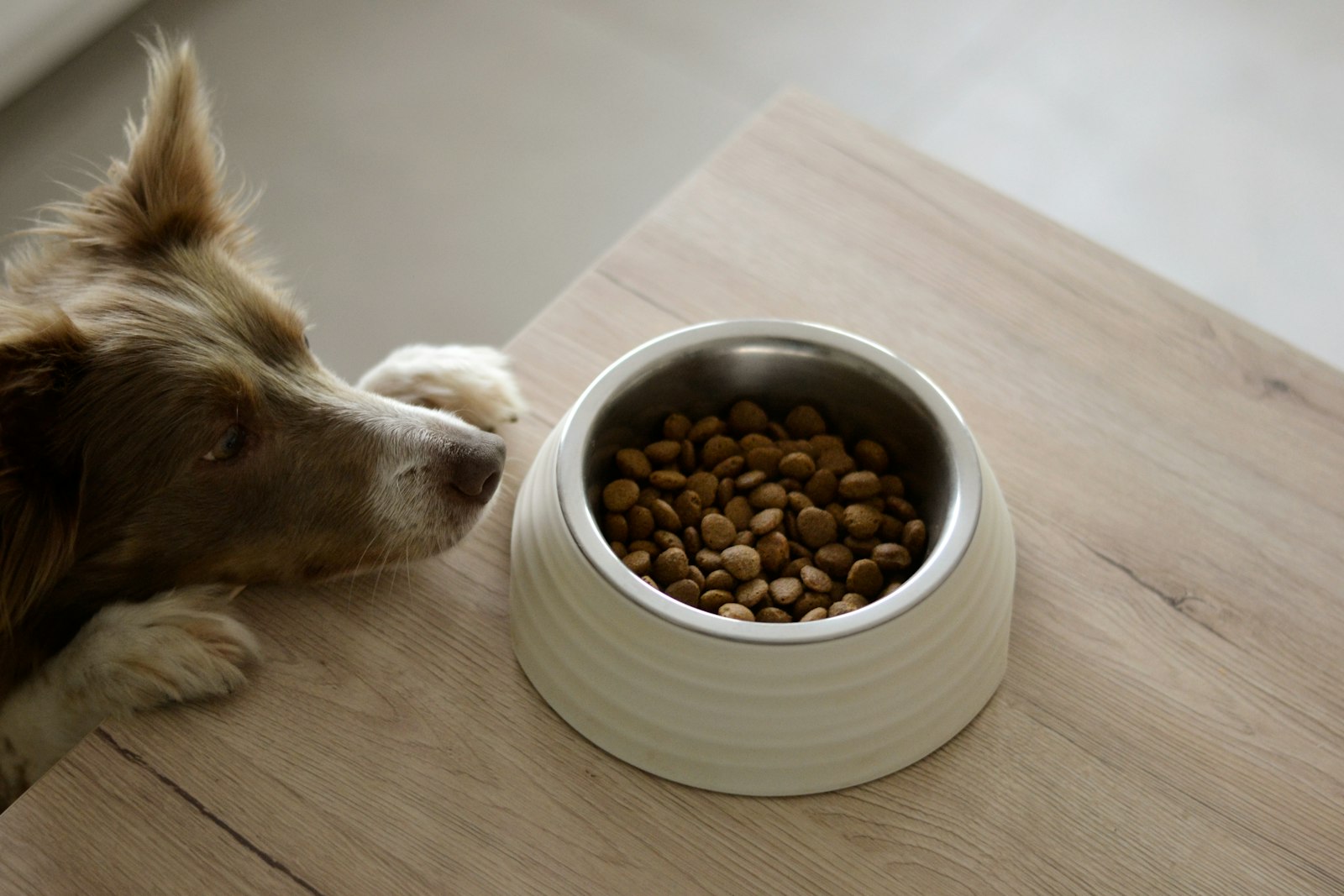
"Healthy" on a dog food bag is mostly marketing language, not a regulated claim. Here's what actually matters when evaluating a dog food, and the specific options worth buying in Canada in 2026, sorted by size and life stage.
What Actually Makes a Dog Food "Healthy"?
Look for an AAFCO or equivalent nutritional adequacy statement confirming the food is complete and balanced for your dog's life stage, not just marketing terms like "premium" or "holistic," which have no regulated meaning.
A named protein source (chicken, beef, salmon) listed first on the ingredient panel matters more than a long list of vegetables or superfoods further down. Life-stage matters too: puppy, adult, and senior formulas have genuinely different calorie and nutrient needs, not just different marketing.
Do I Need Breed-Size-Specific Food?
For large and giant breeds, yes, it's worth prioritizing. Large-breed formulas are calibrated for slower growth in puppies specifically to reduce joint development issues, and adult large-breed formulas are often calorie-adjusted for a less active metabolism relative to body size than smaller dogs.
Small-breed formulas typically use a smaller kibble size that's genuinely easier for a small mouth to eat comfortably, which matters more than owners expect for a dog that otherwise struggles with standard kibble.
Which Dog Foods Are Worth Buying in Canada in 2026?
Purina Pro Plan Focus Large Breed Chicken & Rice
A well-established large-breed formula from a brand with extensive veterinary research behind its formulations, chicken as the primary protein.
Hill's Science Diet Adult Lamb Meal & Brown Rice Recipe
A vet-recommended adult formula with lamb as an alternative protein source, useful for dogs that do better off chicken-based diets.
Royal Canin Size Health Nutrition Small Breed Dog Food
A small-breed-specific formula with smaller kibble size and nutrient levels calibrated for a small dog's faster metabolism.
Blue Buffalo Life Protection Formula Small Breed
A widely available small-breed formula with real meat as the first ingredient and no artificial preservatives.
Taste of the Wild Grain-Free
A grain-free formula with novel protein options, worth considering specifically for a dog with a diagnosed grain sensitivity rather than as a default choice.
Should I Switch My Dog's Food Gradually?
Yes, always. Switch over 7 to 10 days, mixing increasing amounts of the new food into the old, to avoid the loose stool or vomiting a sudden full switch commonly causes. Watch stool consistency and energy levels through the transition, not just whether your dog eats the new food willingly.
A Calgary-Specific Note on Feeding Timing
Avoid a large meal immediately before or after intense exercise, since feeding too close to a hard run at a park like Sue Higgins raises bloat risk in deep-chested breeds. An automatic feeder set to deliver breakfast an hour before a morning park trip, and dinner well after you're home, builds a safer, predictable rhythm; our feeder and fountain guide covers that in more depth.
Is Wet or Dry Food Actually Healthier?
Neither is inherently healthier; both can be nutritionally complete if formulated properly, and the right choice depends more on your dog than a blanket rule. Wet food has higher moisture content, which can help a dog that doesn't drink enough water on its own, and is often easier for senior dogs or dogs with dental issues to eat comfortably.
Dry food is more calorie-dense per volume, generally more affordable per feeding, and doesn't spoil as fast once opened, which matters for a multi-dog household or a busy schedule. Many owners land on a mix: dry as the daily base, with a wet-food topper for palatability or a dog who's a picky eater.
Is There an Alberta-Made Dog Food Brand Worth Knowing?
Yes, and it's a genuinely well-known one, not an obscure local option.
Champion Petfoods, the company behind the Acana and Orijen brands, manufactures both at its own facilities in Morinville and Acheson, Alberta.
That makes Acana and Orijen the two widely available kibble brands actually made in this province, unlike Purina, Hill's, Royal Canin, Blue Buffalo, and Taste of the Wild above, which are all US-headquartered brands imported into Canada.
Being Alberta-made doesn't automatically make a food better for your specific dog, so the same first-ingredient and life-stage checks earlier in this guide still apply before choosing it over anything else on this list.
Does My Dog Need More Food in a Calgary Winter?
Often yes, for a dog that stays active outdoors through the cold rather than one that mostly stays inside.
Maintaining body temperature in genuinely cold weather burns extra calories on top of whatever exercise a dog gets, so an active dog doing regular winter park visits can need modestly more food than the same dog eating a summer-calibrated portion.
Watch body condition through the season rather than guessing at a fixed increase, and adjust the portion back down once the weather warms and activity patterns change again.
Updated August 2026