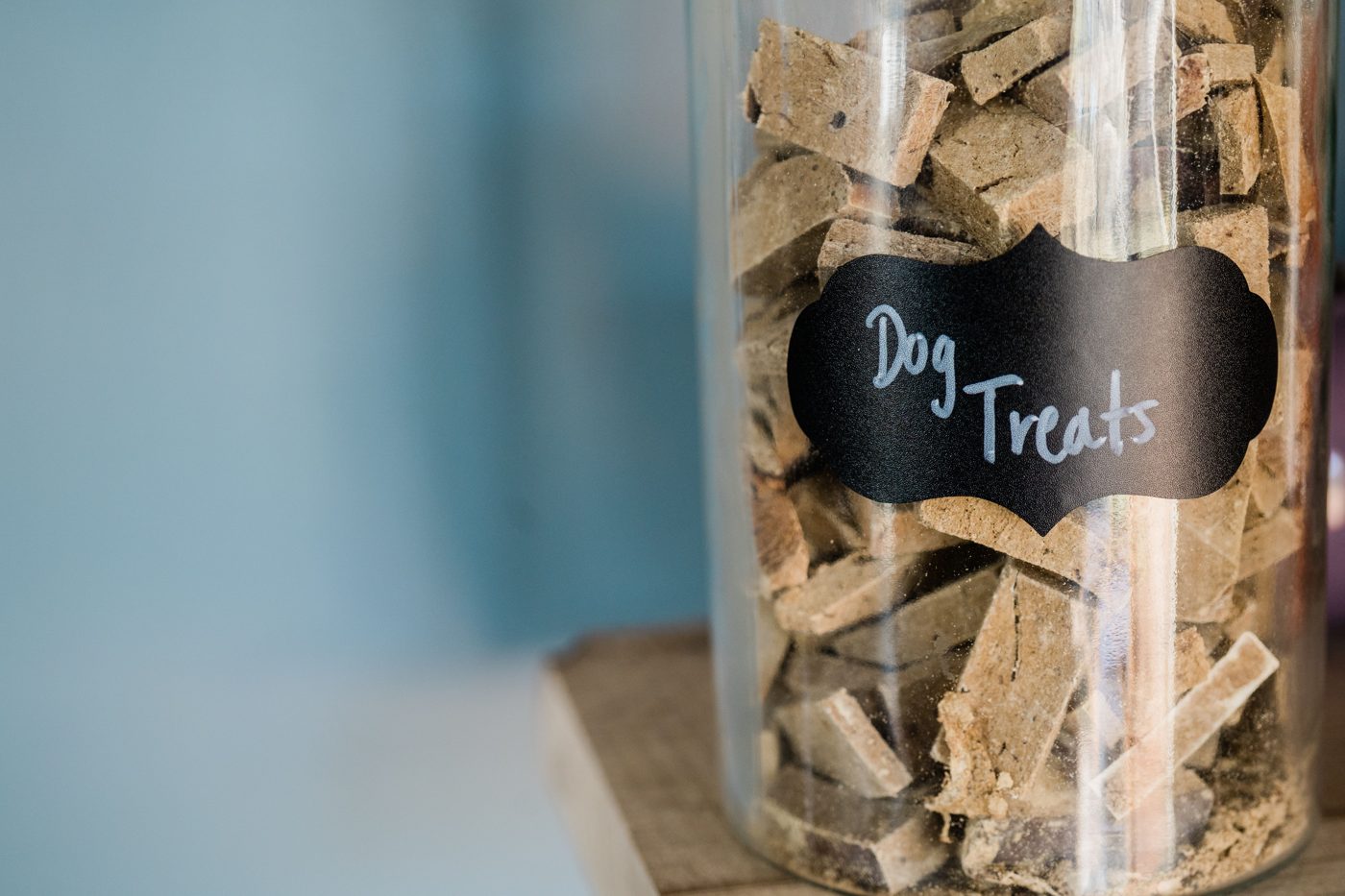
"Organic" is a specific, regulated term in Canada, while "natural" is far looser and used much more broadly on pet treat packaging. Here's what each term actually guarantees, and the minimal-ingredient treats worth buying in Canada in 2026.
What Does "Organic" Actually Mean on a Pet Treat Label?
In Canada, a product can only carry the Canada Organic logo if it's certified under the Canadian Organic Standards, meaning at least 95% of ingredients are certified organic and the product has passed third-party verification. Very few mainstream dog treats on the market currently carry true organic certification, which is worth knowing before paying a premium for a bag that simply uses the word "organic" in its name without the certification logo.
What Does "Natural" Actually Mean, Then?
Far less than most owners assume. "Natural" isn't a certified or regulated term the way "organic" is, and it generally just means the product avoids synthetic preservatives, artificial colors, or artificial flavors. It says nothing about whether ingredients are pesticide-free, non-GMO, or sustainably sourced.
The more useful approach is reading the actual ingredient list: fewer, recognizable, whole-food ingredients generally beat a "natural" label claim on its own.
What Should I Look for in a Minimal-Ingredient Treat?
Which Natural, Minimal-Ingredient Treats Are Worth Buying in Canada in 2026?
Natural Beef Collagen Sticks
A single-ingredient chew made from beef collagen, a simpler option than most flavored, multi-ingredient treats on the shelf.
High-Value Training Treats
Small, low-calorie treats designed for frequent use during training sessions, useful specifically for recall practice at off-leash parks where you're rewarding often.
Old Mother Hubbard Classic Crunchy Treats
A long-standing brand known for straightforward, recognizable ingredients in a classic biscuit format, a reasonable everyday treat rather than a specialty single-ingredient chew.
Should I Worry About Treat Calories?
Yes, more than most owners do. Treats should generally make up no more than 10% of a dog's daily calorie intake, and frequent training treats add up faster than owners expect, especially during a season of heavy park visits and recall practice.
If you're using treats frequently for training at a park like Sue Higgins, consider trimming your dog's regular meal portions slightly to account for it, and pair treats with a genuinely healthy base diet rather than treating them as a separate, uncounted category of food.
A Note on Reading Labels Critically
A bag that says "made with real chicken" doesn't necessarily mean chicken is the primary ingredient, and "natural flavor" can still mean heavily processed. The ingredient list, in descending order by weight, tells you more than any front-of-package claim, organic or otherwise.
Are There Ingredients I Should Actually Avoid in Dog Treats?
Yes, a few matter more than the organic-versus-natural debate. Xylitol, an artificial sweetener sometimes found in peanut butter and baked treats, is genuinely toxic to dogs even in small amounts and warrants an emergency vet call if ingested. Excessive added sodium and sugar are worth checking for in softer, moist treats specifically, since they're often used as preservatives or flavor enhancers well beyond what a dog needs.
Onion and garlic powder, sometimes added to flavored treats for taste, are toxic to dogs in sufficient quantity, so it's worth a quick ingredient-label check on anything with a savory, seasoned flavor profile rather than a plain meat or biscuit base.
Which Canadian Brands Actually Make Treats Here, Not Just Sell Here?
Most treats on a Calgary pet store shelf are imported or repackaged from US manufacturers.
A few brands genuinely make their treats in Canada using Canadian-sourced ingredients, and they're worth knowing by name.
Puppy Love Pet Products manufactures its treats in Fort Macleod, Alberta, about two hours south of Calgary.
Its beef, bison, and elk chews use Canadian, human-grade ingredients sourced locally rather than imported from overseas.
Puppy Love treats are carried at PiscesPets.com, a Calgary retailer, making this one of the few treats on this list you can genuinely buy local rather than through Amazon alone.
Crumps' Naturals, based in Mississauga, Ontario, has made single and limited-ingredient treats since 2006.
It's a family-run Canadian company, and its products are widely stocked at Pet Valu, Costco, and PetSmart locations across Calgary, not just sold online.
Tilted Barn Pet Company sources ingredients from across the Canadian Prairies and manufactures its treats entirely in Canada.
That Prairie sourcing means at least some of its ingredients likely travel a shorter distance to reach a Calgary shelf than a treat imported from the US.
How Does Canadian Pet Treat Regulation Actually Differ From the US?
The biggest practical difference isn't the organic label: Canada has no federal agency enforcing nutritional adequacy standards on pet treats the way the US relies on AAFCO.
The Canadian Food Inspection Agency mostly focuses on import safety and animal-health rules for products containing meat, not on verifying a treat's nutrition claims.
In Canada, treat labelling and marketing claims instead fall under the Competition Bureau's Consumer Packaging and Labelling Act, which polices accuracy rather than nutrition science.
That means a Canadian treat brand can legally make broader-sounding claims than a US brand operating under AAFCO's stricter voluntary guidelines, so a confident label alone isn't proof of a nutritional standard behind it.
One reassuring detail is that Canada has a mutual recognition agreement covering organic certification with the US, the EU, Switzerland, and Japan.
That means a treat carrying genuine US organic certification is legitimately recognized as organic in Canada too, not just a marketing claim that happens to cross the border.
Updated August 2026