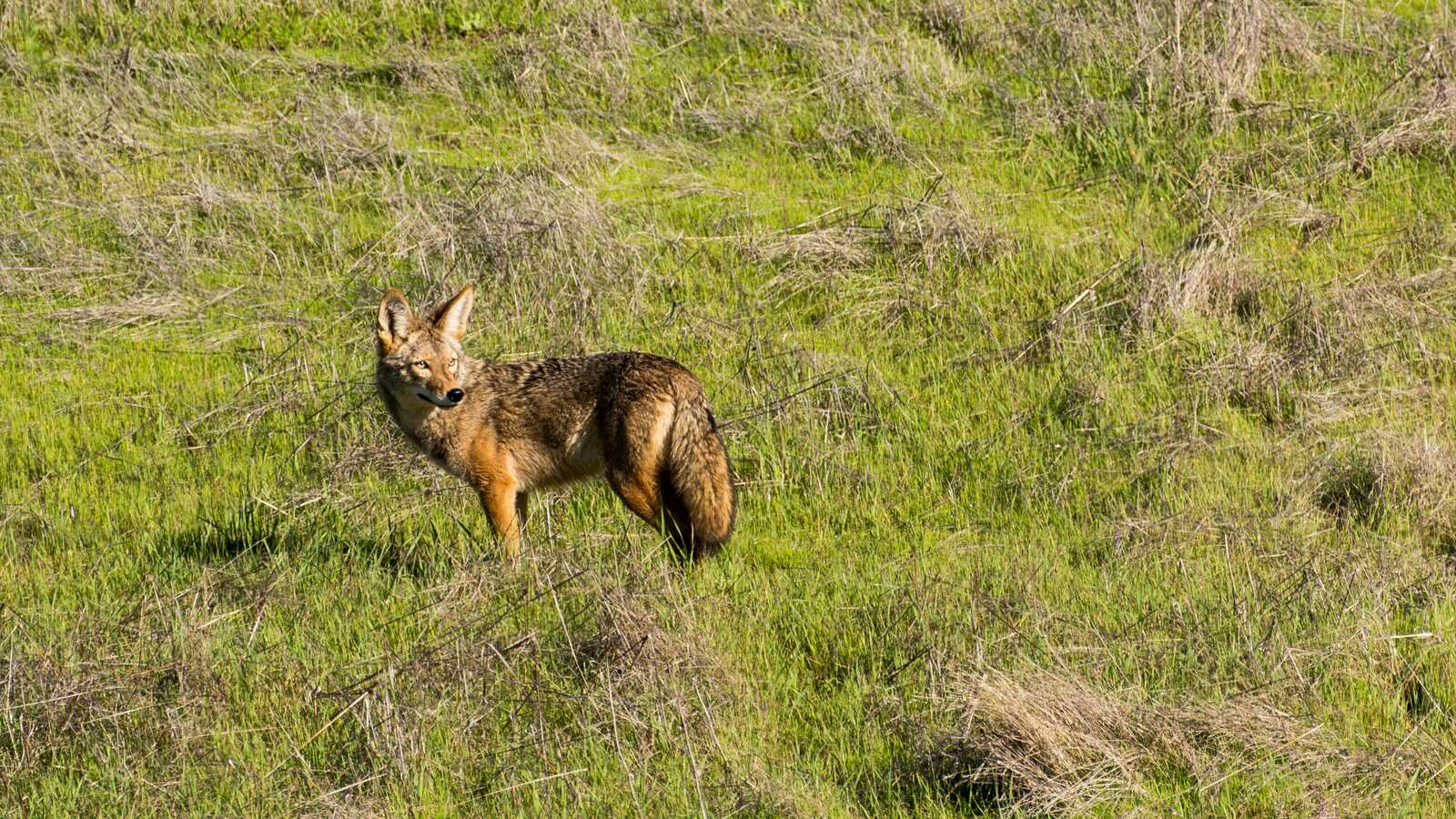
Coyote Tapeworm in Calgary: What Dog Owners Should Know

Coyote Tapeworm in Calgary: What Dog Owners Should Know

7 min2026-08-07By Charlie Gillingham

Quick Answer

A parasite nicknamed coyote tapeworm (*Echinococcus multilocularis*) is genuinely on the rise in Alberta, according to University of Calgary research, and it's been found in coyotes across Calgary's urban core, not just rural areas. Dogs pick it up by eating infected rodents. The parasite is usually harmless to the dog itself, but it sheds eggs in dog feces that can pose a real, if rare, risk to humans. Regular deworming with a product that covers tapeworms, discouraging rodent-hunting, and prompt pickup of dog waste are the main things that actually reduce risk.

What Coyote Tapeworm Actually Is

Echinococcus multilocularis is a small tapeworm, sometimes called fox tapeworm or coyote tapeworm in plain English, and the disease it causes in humans is called alveolar echinococcosis (AE).

  • Coyotes and foxes are the main wild carriers, and dogs can carry it too.
  • Rodents, including muskrats and voles, are the intermediate host that gets infected first.
  • A dog picks it up by eating an infected rodent, not from another dog or from a coyote directly.
  • In the dog's gut, the adult tapeworm usually causes no symptoms at all — the dog just sheds eggs in its stool.
  • In rare cases, a dog can develop the more serious invasive form itself, similar to what happens in infected humans.
  • Is This Actually a Recent Thing?

    Genuinely, yes, in the sense that matters for Calgary dog owners.

    Peer-reviewed research describes it in exactly those terms: a 2021 study in the *American Journal of Tropical Medicine and Hygiene* calls it "an emerging infectious disease in Alberta," noting that this kind of human infection was previously considered "extremely rare" in North America outside one remote part of Alaska. A University of Calgary-led study, published in *Scientific Reports* in 2024, specifically tested Calgary's own coyote and domestic dog population and confirmed the parasite is established in the city.

  • Researchers found the parasite in coyotes across both Calgary's urban core and its rural fringe, not just out in the countryside.
  • A separate University of Calgary study identified muskrats as a previously overlooked link in the chain, helping explain why the parasite has been spreading into cities.
  • Human cases in Alberta have been documented rising over roughly the last decade, though most were only formally recognized in research published between 2021 and 2024.
  • One important nuance: in humans, the incubation period before symptoms show up can be 5 to 15 years. That means researchers are still catching up on cases that reflect exposure from years ago, not something that happened last week. But the underlying trend of the parasite becoming more established in Calgary's coyote population is real and current.

    What Actually Increases the Risk (Including One Surprising Finding)

    The same University of Calgary study looked directly at risk factors in Calgary's own dogs, and a couple of the findings are genuinely useful for owners:

  • Hound breeds showed a meaningfully higher likelihood of infection than other breeds, consistent with hounds' stronger tendency to hunt and scavenge.
  • Dogs that spent time around rodent-rich habitat (which describes a lot of Calgary's river valleys and off-leash parks) were at higher risk.
  • Somewhat counterintuitively, the study found dogs that were leashed at off-leash parks showed higher infection likelihood than dogs allowed to run freely there. The researchers didn't fully explain the mechanism, but it's a reminder that "off-leash" and "risk of contact with rodent droppings or carcasses along a trail" aren't the same thing — a leashed dog sniffing along the same worn path repeatedly may have more concentrated contact with contaminated ground than one ranging more widely.
  • What Dog Owners Should Actually Do

  • Deworm regularly with a product that covers tapeworms specifically. Many common heartworm preventatives don't treat tapeworms — ask your vet directly whether your dog's current product covers *Echinococcus*.
  • Discourage rodent hunting and scavenging. This is the single biggest exposure pathway for dogs.
  • Pick up dog waste promptly, and wash your hands after, since egg-shedding in feces is the main way the risk reaches humans.
  • Don't let dogs eat animal droppings of any kind, coyote or otherwise, while out at parks.
  • Mention it to your vet if your dog frequently hunts, scavenges, or spends a lot of time in river valley or off-leash areas with high rodent activity.
  • Watch for vague, slow-developing signs like unexplained weight loss, lethargy, or abdominal swelling if your dog does hunt rodents regularly — these could indicate the rarer invasive form and are worth a vet visit, though they're also signs of many far more common and less serious conditions, so they're not something to panic over on their own.

    Where This Overlaps With Calgary's Off-Leash Parks

    This isn't a reason to avoid off-leash parks altogether — the same research shows the parasite is already present in the wider urban coyote population regardless of which specific park you visit. But parks with dense river-valley terrain and higher coyote activity, like Nose Hill Park and Fish Creek Provincial Park, are exactly the kind of rodent-rich habitat this research points to. See our guide to coyotes at Calgary dog parks for broader coyote-safety practices, and our Off-Leash Guide to Calgary for the full picture of what to expect at each park.

    Frequently Asked Questions

    Is coyote tapeworm the same as regular tapeworm my dog might already get treated for?+

    No. Common tapeworms (like the flea-transmitted kind) are treated by most standard dewormers, but Echinococcus multilocularis needs a dewormer that specifically covers it — ask your vet to confirm your dog's current product actually does.

    Can I catch coyote tapeworm directly from my dog?+

    Not through petting or normal contact. The risk comes from ingesting eggs shed in feces, so proper waste pickup and handwashing are the main protections for you and your family.

    Is this parasite common in Calgary dogs?+

    It's still relatively uncommon overall, but University of Calgary research found it established in the city's coyote population, including the urban core, and confirmed cases in Calgary's own domestic dogs.

    What are the symptoms in dogs?+

    Most dogs show no symptoms at all and are just carriers. In rare cases of the more serious invasive form, signs can include unexplained weight loss, lethargy, or abdominal swelling, usually appearing gradually.

    Should I stop letting my dog off-leash at Calgary parks because of this?+

    No — the research doesn't point to any one park being uniquely risky, since the parasite is present in the wider urban coyote population. Regular tapeworm-specific deworming and discouraging rodent hunting matter more than avoiding off-leash areas altogether.