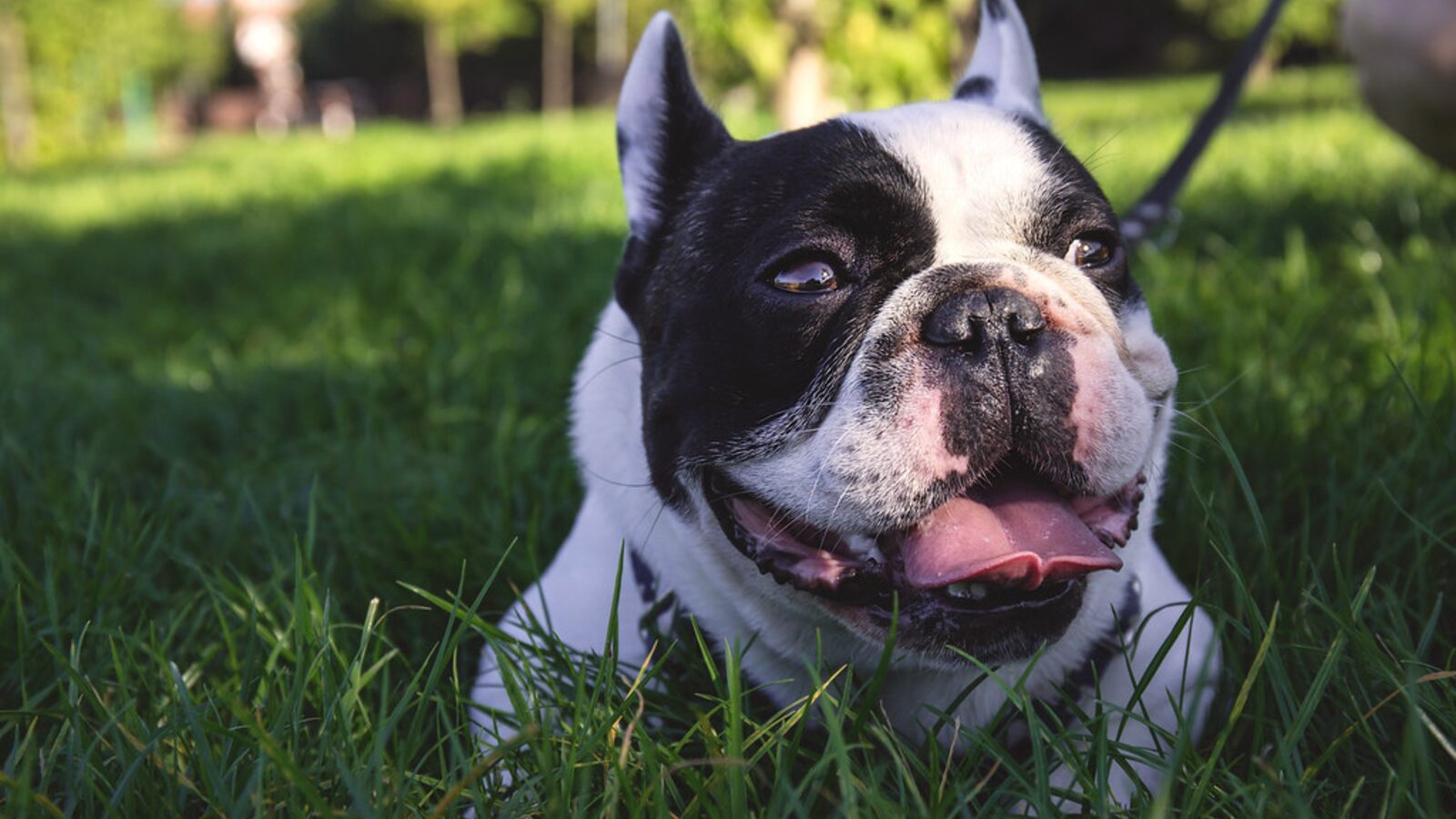
If your dog is panting hard, dragging behind you, or hesitating to keep walking on a hot Calgary afternoon, stop and check the pavement before anything else. Calgary's summer highs average around 23°C, but the city has real heat warning days too, including a stretch that hit 33°C on August 1, 2026, and on those days the ground gets far more dangerous than the air temperature suggests.
What temperature is actually too hot for a dog in Calgary?
There's no single magic number, because humidity, sun exposure, coat type, and your individual dog all change the answer. As a working rule for Calgary: 23-26°C is fine for most healthy dogs with normal precautions, 27-29°C means shorten walks and stick to early morning or evening, and 30°C or above means treat it as a heat-warning day, walk before 9am or after 7pm only, and consider skipping the off-leash park run entirely in favour of a slow shaded walk or an indoor alternative.
Humidex matters as much as the thermometer. A muggy 24°C afternoon can push the humidex into the high 20s or low 30s, which changes how effectively your dog can cool down through panting. Check the humidex, not just the air temperature, before deciding whether today is a normal day or a caution day.
The seven-second pavement test
Your dog's paw pads are tougher than bare human skin, but they still burn. Press the back of your hand flat on the sidewalk or parking lot asphalt and count to seven. If it's too hot for the back of your hand to stay down that long, it's too hot for your dog's paws too.
Asphalt absorbs and holds heat far more aggressively than the surrounding air. On a sunny day with 25°C air temperature, exposed asphalt can reach 45 to 55°C, hot enough to cause paw burns within a couple of minutes of contact. Shaded pavement runs 10 to 15°C cooler than the same surface in direct sun, so a shaded sidewalk on a warm day can be genuinely fine even when an open, sun-blasted parking lot two blocks away is not.
If the test fails, move to grass, dirt trail, or a shaded path instead. Grass stays dramatically cooler than pavement through evaporative cooling and is almost always the safer surface on a hot Calgary day.
Signs your dog is overheating, and what to do
Watch for this progression, since catching it early is what keeps a hot walk from becoming an emergency vet visit.
Early signs: heavy, rapid panting that doesn't ease with rest, excessive drooling, seeking shade or lying down on cool surfaces, and slowing down or lagging on the walk.
Getting serious: bright red, purple, or pale gums, wobbly or uncoordinated movement, vomiting, and refusing to keep moving at all.
Emergency: collapse, disorientation, seizure, or loss of consciousness. This is a true emergency. Move your dog into shade or an air-conditioned space immediately, offer small sips of cool (not ice-cold) water, apply cool wet towels to the belly, groin, and paw pads, and get to a veterinarian right away rather than waiting to see if it passes.
Never leave a dog in a parked vehicle in Calgary during warm weather, even briefly and even with windows cracked. Interior temperatures climb far faster than most people expect, and this remains one of the most preventable causes of canine heatstroke every summer.
Which Calgary dogs are most at risk?
Not every dog handles heat the same way. Flat-faced (brachycephalic) breeds like French Bulldogs, Pugs, Boston Terriers, and English Bulldogs pant less efficiently because of their airway shape, which puts them at real heatstroke risk even on days a Labrador would shrug off. Thick double-coated breeds like Huskies, Malamutes, and Bernese Mountain Dogs are built for Calgary winters, not Calgary Augusts, and need shorter, cooler-hour walks in summer. Senior dogs, overweight dogs, and dogs with heart or respiratory conditions also overheat faster and recover more slowly, so give them extra margin on anything above 27°C.
Best times and places to walk a Calgary dog on a hot day
Early morning before roughly 9am and evening after 7pm are consistently the coolest windows, for both air and pavement temperature, during a Calgary summer. If a hot stretch coincides with wildfire smoke, which happens most Calgary summers, check air quality too, not just temperature, before heading out. Wildfire Smoke Days: When and When Not to Visit Calgary Dog Parks covers how to read an AQHI reading alongside a heat check.
Parks with real tree cover and water access hold up far better on a hot day than open, sun-exposed fields. If your dog loves to cool off, Where Can Dogs Swim in Calgary? Rivers, Lakes & Safety Guide covers the city's safest swimming spots, though it's worth a quick check of Blue-Green Algae Advisories in Calgary first, since algae blooms are more common in the same hot, still-water conditions that make swimming appealing in the first place.
On a genuine heat-warning day, or one that overlaps with a smoke advisory, an indoor session can be the better call entirely. Indoor Dog Parks in Calgary is a solid fallback that keeps your dog exercised without any heat or air-quality risk at all.
Bring this on a hot-weather walk
What Calgary heat safety comes down to
Calgary's dry climate and relatively mild average summer temperatures can create a false sense of security. The city still sees real heat-warning days, and pavement temperature, humidity, and individual dog risk factors matter more than the raw air temperature on the weather app. Check the pavement, watch your dog rather than the thermometer, and shift timing before a hot week arrives rather than during it.